
这个周末不想呆在家又不想跑太远,那就到Sungai Buloh双溪毛糯来个半日游,不为人知的当地好吃、好玩一一为你介绍!

Rapid KL Pass Prices Rise in 2026, Marking First Major Revision Since 2009
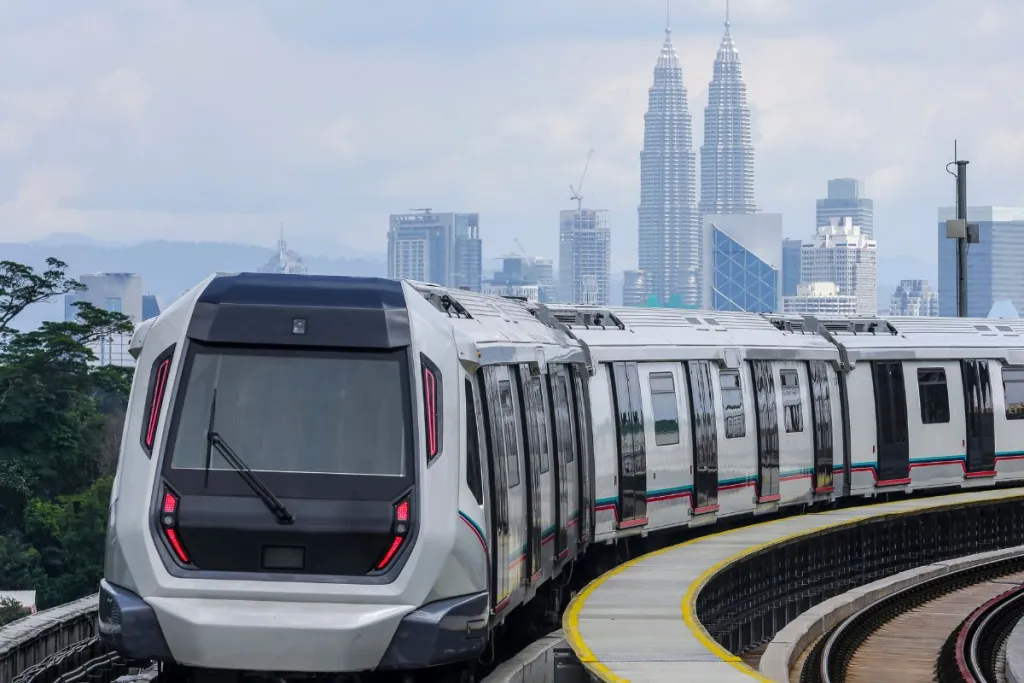
Public transport users in Kuala Lumpur began 2026 facing a significantly altered fare landscape. On 1 January, Rapid KL implemented its first comprehensive travel pass price revision in 17 years, with increases ranging from 67 per cent to as high as 120 per cent for certain passes. The move has reignited debate about affordability, accessibility, and whether Malaysia’s urban mobility strategy risks discouraging casual and first-time users even as it seeks financial sustainability.
The New Pricing Structure
Prasarana Malaysia Bhd, the government-owned operator of Rapid KL, announced the revised fares on 16 December 2025. The company described the changes as a long overdue recalibration reflecting network expansion and rising operating and maintenance costs since the last major revision in 2009.

Rapid Kota Pass (Malaysian Citizens Only)
The most prominent change involves the Rapid Kota daily pass, which rose from RM6 to RM10, representing a 67 per cent increase. The three-day version increased from RM15 to RM25, while the two-day option was discontinued. The pass allows unlimited travel across all Rapid KL rail services, including LRT, MRT, Monorail and BRT, as well as buses, within the validity period.
Rapid Kembara Pass (Tourists)
Tourist-oriented passes saw the steepest increases. The one-day Rapid Kembara pass increased from RM15 to RM25, while the three-day pass jumped from RM25 to RM55, a 120 per cent rise. As with Rapid Kota, the two-day option was removed.
Rapid Keluarga Pass (Family Pass)
The Rapid Keluarga pass for groups of four Malaysian citizens doubled from RM15 to RM30. While still cheaper than purchasing four individual daily passes, the increase significantly alters the cost comparison with private vehicle use for families.
Rapid Pelajar (Student Concession)
From 2026 onwards, the 50 per cent student concession will be limited to Malaysian citizens. Non-Malaysian students holding existing cards may continue using them at the discounted rate until their expiry date or 31 December 2026, whichever comes first.
Introduction of Rapid Bulanan
Prasarana also introduced a new 30-day unlimited travel pass, Rapid Bulanan, priced at RM150 and open to both Malaysians and non-Malaysians. This move addresses a long-standing gap faced by expatriates, foreign workers and long-term visitors who previously lacked access to unlimited monthly travel options.
What Remains Unchanged
Several key concessions were deliberately left untouched. The RM50 My50 monthly unlimited pass for Malaysian citizens remains unchanged, as do the Rapid Emas card offering a 50 per cent discount for senior citizens aged 60 and above, and the Rapid Mesra programme which provides free travel for registered Malaysian persons with disabilities.
Prasarana’s Rationale: Expansion and Financial Pressures
Prasarana has justified the fare revision by pointing to the significant expansion of the Klang Valley public transport network over the past decade. Acting Head of Stakeholder Experience Management P. Ashok stated that the revision reflects the transformation of Rapid KL into a far more comprehensive system than it was in 2009.
Since then, the network has grown substantially. The MRT Kajang Line opened in 2016, adding 51 kilometres of rail between Sungai Buloh and Kajang. This was followed by the MRT Putrajaya Line in 2022, further extending coverage across the Klang Valley. Bus routes have also expanded, with improved frequencies and service areas.
This growth has been accompanied by rising costs. Prasarana has highlighted increasing expenses related to operations, maintenance and safety standards. In January 2025, Transport Minister Anthony Loke acknowledged that Prasarana operates with limited revenue despite a five per cent increase in 2024, driven by average daily ridership rising to 1.18 million from 954,648 the year before. Government spending on public transport maintenance nearly doubled from RM89 million in 2023 to RM177 million in 2024.
Notably, the current revision focuses on travel passes rather than per-journey fares, which were last adjusted in 2015 when a distance-based fare structure replaced flat rates. Prasarana has argued that this approach limits the impact to a relatively small segment of riders.
Why a Single Large Increase?
Critics questioned why Prasarana opted for sharp, one-off increases instead of gradual adjustments over time. The company responded that frequent incremental changes would have created confusion and uncertainty for users.
Prasarana also emphasised that Rapid Kota pass holders account for approximately 10 to 13 per cent of non-My50 users, or around five per cent of total ridership. From its perspective, the RM10 daily pass still represents value, offering unlimited travel across a network far larger and more connected than before.
Public Reaction: Concerns Over Deterrence
Despite these explanations, the reaction from commuters and advocacy groups has been largely critical. Reports highlighted widespread dismay, particularly among occasional users who rely on daily or short-term passes.
Reduced Flexibility for Casual Users
One commuter, Eugene Lai, noted that the previous RM6 Rapid Kota pass justified its price by offering flexibility for impromptu stops between Petaling Jaya and Kuala Lumpur. With regular tickets costing RM5.40 for a direct journey, the small premium made sense. At RM10, he concluded that he would likely forgo the pass and avoid unplanned stops altogether.
This reflects a broader concern that higher day-pass prices may discourage spontaneous and exploratory travel, behaviours that cities typically seek to encourage to build public transport habits.
Impact on Out-of-Town Visitors
Others highlighted the effect on visitors from outside the Klang Valley. Ephrem Riyeng Anak Retan shared that his parents relied on Rapid Kota passes during visits, but felt discouraged from using public transport after learning of the price hike. This raises questions about whether higher day-pass costs may push visitors back towards private vehicles.
Political and Advocacy Perspectives
Parti Sosialis Malaysia member Amir Iskandar warned that the revised prices could deter first-time users who might otherwise experiment with public transport through short-term passes such as Rapid Kota, Rapid Kembara or Rapid Keluarga. This concern goes to the heart of ridership growth, as occasional users often form the pool from which regular commuters eventually emerge.
Family Cost Calculations
Online discussions have also highlighted the compounded effect on families. A family of four previously spent RM20 on daily passes but would now face RM40 if buying individual passes, or RM30 with the Rapid Keluarga option. Many noted that RM30 to RM40 is often sufficient to cover fuel, tolls and parking for trips within the Klang Valley, making driving a more attractive option for weekend outings.
Positive Response to My50 Retention
In contrast, the decision to retain the My50 pass at RM50 was widely welcomed. Regular commuters expressed relief that their monthly expenses would remain unchanged. Many viewed this as a clear signal that the government continues to prioritise affordability for daily users who depend on public transport for work and study.
Online commentary frequently described My50 as exceptional value by global standards, reinforcing its status as a cornerstone of Kuala Lumpur’s public transport affordability.
Balancing Sustainability and Accessibility
The Rapid KL fare revision highlights the fundamental tension in public transport policy between financial sustainability and accessibility. On one hand, Prasarana faces genuine structural challenges. Farebox recovery remains limited, particularly in a sprawling, lower-density region like the Klang Valley, where full cost recovery through fares alone is unrealistic.
Service quality indicators show some improvement. Complaints per million riders fell from 3.21 in 2024 to 2.53 by November 2025, suggesting operational gains that may justify higher prices. The network now offers significantly greater coverage and connectivity than it did in 2009.
On the other hand, critics argue that increases of 67 to 120 per cent risk undermining efforts to encourage a modal shift away from private cars. Psychological price thresholds matter. At RM6, a Rapid Kota pass compared favourably with parking fees at major malls. At RM10, the calculation changes, especially for families and casual users.
The Tourist Dimension
The steep increase in Rapid Kembara passes also raises questions about Kuala Lumpur’s positioning as a tourist-friendly city. While Prasarana notes that the pass includes access to nearly 50 tourism and lifestyle partners, RM55 for a three-day pass places the city closer to higher-cost destinations such as Singapore or Hong Kong, rather than traditionally budget-friendly Asian hubs.
A Two-Tier System Takes Shape
Perhaps the most significant outcome of the revision is the entrenchment of a two-tier fare structure. Daily commuters using My50 continue to enjoy extraordinary value, while casual users, families and tourists face much higher per-day costs. This may reflect a deliberate policy choice to prioritise residents who rely on public transport, but it remains unclear whether discouraging casual use will weaken long-term ridership growth.
Looking Ahead
The true impact of the revised fares will only become clear over the next year through ridership data and travel behaviour. Prasarana believes the effect will be limited, given the relatively small share of riders using daily passes. However, behavioural responses can be disproportionate when prices cross symbolic thresholds.
The introduction of Rapid Bulanan at RM150 offers a potentially positive development for non-Malaysian residents, providing a clearer pathway to regular public transport use. Whether it succeeds will depend on uptake among expatriates and foreign workers.
Ultimately, Rapid KL faces the same challenge as transit systems worldwide: sustaining service quality while keeping public transport accessible enough to attract and retain riders. The 2026 fare revision represents a significant recalibration after 17 years of static pricing. Whether it strikes the right balance will be determined not by policy statements, but by how commuters respond in practice.
Published on
About Author
RECOMMENDED READS
让你意想不到的Sungai Buloh!双溪毛糯半日游记 最简朴到最豪华!马来西亚10个露营地点推荐 露营,不管是原始版还是豪华版,都能让你在与大自然零距离接触的同时,彻底放松身心灵。这个周末就约上三五好友露营去吧!
10 Best Instagram Spots in Macao Malaysians Must Check-Off Macao, where your ‘gram dreams really do come true.
台湾旅游必备宝典!7个Tips让你避开地雷,省钱省时绝对不吃亏! 大家都知道台湾是个非常Travel Friendly 的国家,但有哪些超好用的Tips,哪些要避开的地雷你真的知道吗?小编整理了7个Tips,让你避免吃亏踩坑,快乐游台湾!
10个适合穷学生便宜又好吃的悉尼餐厅 住宿费高,交通费高,伙食费也高。生活在悉尼的学生们,即使一个星期打工20个小时,也最多只能补贴一半的生活费。想吃一顿好吃的却又担心钱包越来越薄,只好每天往Maccas(麦当劳)跑。是不是说中了你的心声呢?别担心,今天就让小编为你提供10个经济实惠的餐厅,从今以后让你和Maccas说拜拜!
RECENT ARTICLES
Why Oman Deserves a Place on Malaysians’ Travel Radar in 2026 Oman offers a quieter, more immersive way to experience the Middle East.
8个理由告诉你:秋冬季节到瑞士旅行,为什么值得玩得更久? 从巧克力、芝士到滑雪山坡,让你的瑞士旅行体验更上一层楼。
Mandarin Oriental Desaru Coast: Inside Johor’s Luxury Rainforest Resort Welcoming Johor's latest luxury retreat: Mandarin Oriental, Desaru Coast.
Super Nintendo World Singapore Is Coming: What Malaysian Need to Know Good news, Mario fans ~
布城半日游怎么玩?从粉红清真寺到水上Taxi 7个打卡景点,这份游路线值得收藏! 从梦幻的粉红穹顶、充满异域美感的摩洛哥风情!