
Macao, where your ‘gram dreams really do come true.

Elderly-Friendly Countries for Malaysian Travellers in 2026

Travelling with elderly parents can be one of the most meaningful experiences for Malaysian families. It allows everyone to spend quality time together, explore new places at a comfortable pace and create memories that last. When planning trips for 2026, choosing destinations with good accessibility, reliable healthcare and senior-friendly facilities can make the journey smoother and more enjoyable for everyone.
Many countries in Asia and Europe now offer accessible transport, gentle activities and accommodation designed with older travellers in mind. Below is a quick guide to the most elderly-friendly destinations Malaysian families should consider for their next multigenerational holiday.
Southeast Asia
Thailand

Thailand remains one of the most senior-friendly destinations in the region thanks to its established tourism industry, welcoming culture and excellent medical facilities. Popular tourist hubs like Bangkok, Chiang Mai and Phuket host international-standard hospitals within short travel distances, which gives seniors added peace of mind. Many hotels in major cities have lifts, wheelchair-accessible rooms and front-desk staff trained to assist elderly guests.
The best time to visit Thailand is from November to February, when temperatures are more forgiving and humidity drops significantly. This reduces the risk of heat-related fatigue, which can be particularly important for older travellers.
Chiang Mai is ideal for those seeking tranquillity. Its smaller size makes it less overwhelming, and attractions such as temples, craft villages and botanical gardens are easy to explore at a relaxed pace. For seniors who enjoy beach holidays, Pattaya and Patong both offer flat pathways, well-maintained promenades and easy access to restaurants and shops. Senior-focused group tours are increasingly common, offering itineraries with light walking, generous rest periods, comfortable coaches and guides trained to assist travellers with mobility concerns.
Singapore
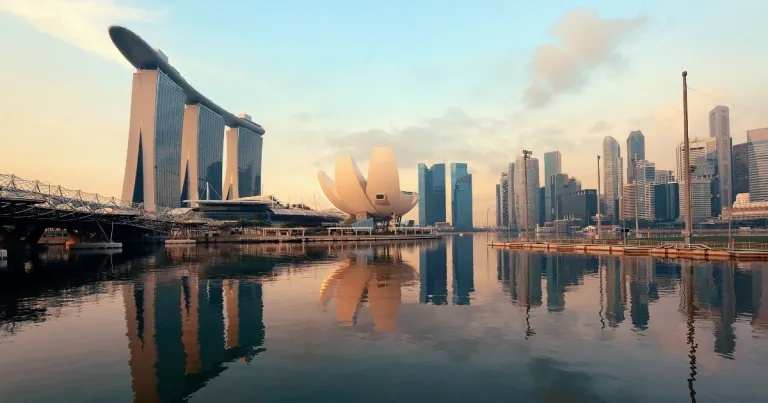
Singapore will officially become a super-aged society in 2026, with more than 20 per cent of its population aged 65 and above. In preparation, the country has invested heavily in accessibility, healthcare and age-friendly urban planning, making it one of the safest and easiest destinations for elderly travellers.
The city’s public transport system is among the most accessible in the world. MRT stations and buses feature lifts, ramps, wide gates, priority seats and clear signage, allowing seniors to navigate the city confidently. Healthcare facilities are world-class, and many hospitals offer fast, tourist-friendly services. Low crime rates and clean streets add to the sense of safety.
Singapore is especially suitable for seniors who value efficiency, cleanliness, English-speaking service staff and minimal travel stress. Attractions such as Gardens by the Bay, the National Gallery and the Singapore River Cruise offer easy walking routes and comfortable seating areas. For those with dietary or medical considerations, finding suitable food and healthcare support is straightforward.
Vietnam
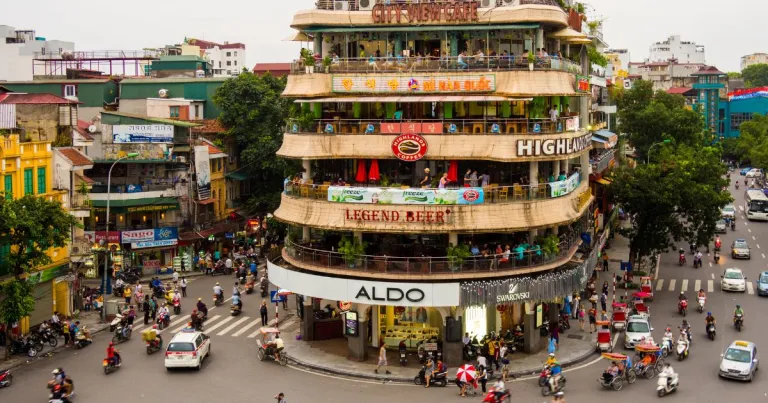
Vietnam is rapidly gaining popularity among older travellers, particularly for its scenic river cruises and gentle cultural experiences. Mekong Delta cruises are a highlight, offering slow-paced exploration without demanding physical activity. Travellers can enjoy local food, floating markets and riverside villages while remaining comfortably on deck for most of the journey.
For land-based itineraries, hotels in major cities like Hanoi, Ho Chi Minh City and Da Nang typically offer lifts, convenient central locations and hotel staff experienced with international guests. Guided tours are generally moderate in pace, with itineraries lasting around four to six hours a day and frequent rest stops built in.
The best time to visit is from November to March, when temperatures are cooler and humidity levels drop. Seniors looking for a peaceful environment will enjoy Hoi An, a UNESCO-listed heritage town known for its lantern-lit streets, walkable layout and calm riverfront cafés.
East Asia
Japan

Japan is widely regarded as the top destination globally for elderly travel thanks to its strong culture of respect for seniors, outstanding public transportation and excellent healthcare. Most major train stations provide step-free access, lifts, tactile paving, wide pathways and clear signage. Even in busy cities such as Tokyo and Osaka, travellers will find that infrastructure is designed to support individuals of all ages and mobility levels.
Japanese culture places great emphasis on safety, politeness and efficiency, qualities that significantly benefit senior travellers. Many attractions offer discounted tickets for older visitors, and public spaces are carefully maintained. The healthcare system is consistently ranked among the best in the world.
Travellers planning trips in 2026 should be aware that Japan is expected to introduce mandatory health insurance for foreign tourists. July generally offers more pleasant weather compared to the rainy month of June, although spring and autumn also remain excellent times for sightseeing.
South Korea

South Korea appeals to seniors who enjoy a mix of cultural heritage, nature walks and modern convenience. The country shines particularly in spring and autumn, when the weather is mild and scenic gardens or mountain landscapes are at their best. Seoul, the capital, is the most accessible city, offering wide pavements, reliable public transport and an increasing number of wheelchair-friendly facilities.
Higher age-friendliness is supported by the official "Danurim" website, which provides detailed information on accessible routes, accommodation and attractions for travellers with mobility concerns. Seniors can also benefit from hop-on hop-off buses, which make exploring the city easy without excessive walking. While some older attractions may still pose challenges due to steps or steep terrain, most major sights have added modern infrastructure to assist visitors.
Europe
Portugal

Portugal has emerged as a favourite for elderly travellers who appreciate good weather, affordability and a slower pace of life. Its coastal towns, such as Cascais, Lagos and Aveiro, offer gentle sea breezes, relaxed walkways and plenty of cafés where seniors can rest and enjoy the view. The public transport system is reliable, and many doctors, particularly in Lisbon and Porto, speak English.
The Portuguese healthcare system is well-regarded, offering free or low-cost services for residents and affordable treatment for tourists in emergencies. Accessibility initiatives have improved significantly nationwide, making it easier to explore museums, heritage sites and waterfront promenades.
Spain

Spain offers one of the most senior-friendly environments in Europe thanks to its Mediterranean climate, strong infrastructure and vibrant cultural scene. Warm weather throughout the year makes outdoor sightseeing pleasant for seniors who may find cold climates uncomfortable.
Cities such as Barcelona, Madrid and Valencia have made major improvements to public transport, with buses and metro lines becoming increasingly wheelchair-accessible. Popular attractions like Sagrada Família, Park Güell and major museums now offer ramps, lifts and on-site assistance. The affordability of healthcare, combined with Spain’s relaxed lifestyle, makes it ideal for elderly travellers seeking comfort and leisure.
Best time to travel
For families travelling with elderly parents, the most comfortable period to explore Southeast Asia is from November to February. Temperatures are cooler, humidity is lower, and rainfall is lighter, making it easier for seniors to enjoy city walks, temple visits, gardens and outdoor attractions without feeling overheated or exhausted.
Essential tips for travelling with elderly parents
Before the trip, families should ensure their parents have comprehensive travel insurance that includes medical emergencies, accidental injuries and coverage for any existing health conditions. It is also important to check that hotels have senior-friendly features such as lifts, accessible bathrooms and rooms located near key facilities.
When booking activities, choose tour operators offering gentle itineraries, regular rest stops and comfortable transportation. To avoid tiring your parents out, plan to stay at least two nights in each destination so they have enough time to rest between outings. Keep all essential medication in carry-on bags, encourage hydration throughout the day and build in plenty of breaks to keep everyone comfortable and energised.
Published on
About Author
RECOMMENDED READS
10 Best Instagram Spots in Macao Malaysians Must Check-Off 10个适合穷学生便宜又好吃的悉尼餐厅 住宿费高,交通费高,伙食费也高。生活在悉尼的学生们,即使一个星期打工20个小时,也最多只能补贴一半的生活费。想吃一顿好吃的却又担心钱包越来越薄,只好每天往Maccas(麦当劳)跑。是不是说中了你的心声呢?别担心,今天就让小编为你提供10个经济实惠的餐厅,从今以后让你和Maccas说拜拜!
探索 斯洛文尼亚 :感受世界上唯一以爱命名的国家 无论你是喜欢感受当地文化,还是探索大自然的奥妙,处处风景如画的斯洛文尼亚都能满足你的愿望。在斯洛文尼亚,无论何时何地都能让你拥有精彩丰富的旅游体验,只要用心感受,你一定能这趟旅行中探索属于你的斯洛文尼亚特色。
Switzerland at a Glance: The Complete Travel Guide for Malaysians Longing to visit Switzerland but not sure how to go about planning the trip? Take a peek inside this complete travel guide for Malaysians now and make your dreams come true!
A Fusion of East and West at Art Macao International Arts and Cultural Event Ready to experience the artsy side of Macao? Then you’ll definitely want to check out Art Macao, a celebration of the city’s vibrant art scene!
RECENT ARTICLES
Why Oman Deserves a Place on Malaysians’ Travel Radar in 2026 Oman offers a quieter, more immersive way to experience the Middle East.
8个理由告诉你:秋冬季节到瑞士旅行,为什么值得玩得更久? 从巧克力、芝士到滑雪山坡,让你的瑞士旅行体验更上一层楼。
Mandarin Oriental Desaru Coast: Inside Johor’s Luxury Rainforest Resort Welcoming Johor's latest luxury retreat: Mandarin Oriental, Desaru Coast.
Super Nintendo World Singapore Is Coming: What Malaysian Need to Know Good news, Mario fans ~
布城半日游怎么玩?从粉红清真寺到水上Taxi 7个打卡景点,这份游路线值得收藏! 从梦幻的粉红穹顶、充满异域美感的摩洛哥风情!