
Macao, where your ‘gram dreams really do come true.

The World’s Cleanest Public Toilets: Global Leaders in Sanitation
Public restrooms are often overlooked in travel guides, yet they represent a country's infrastructure priorities, cultural values, and commitment to hygiene. While rarely celebrated, the condition of public toilets reveals much about urban planning and public health standards. Based on extensive traveler reviews, hygiene surveys, and international benchmarking, eight nations consistently rank at the top for maintaining the world's cleanest public toilet facilities.
1. Japan (Tokyo): The Gold Standard

Japan has secured its reputation as the world leader in public toilet cleanliness. Tokyo's public restrooms are not merely clean—they represent a cultural philosophy where hygiene is embedded in daily practice. The facilities are renowned for their technological sophistication, featuring heated bidet seats, adjustable water pressure controls, automated lids, and artificial ambient sound masking systems that allow users privacy from noise concerns.
Travelers consistently praise Tokyo's toilets as "squeaky clean" with "spotless" conditions comparable to private bathrooms. The presence of dedicated maintenance staff, baby-changing stations, and multiple amenities reflects a visitor-centric approach. One Reddit user summarized the experience as "the ultimate public toilet experience," citing adequate privacy through gaps-free stalls and well-stocked supplies. Reviewers note that technological features go beyond luxury—they address practical hygiene concerns, such as the bidet functions that reduce reliance on toilet paper alone.
2. Switzerland (Zurich): Precision Engineering Meets Cleanliness
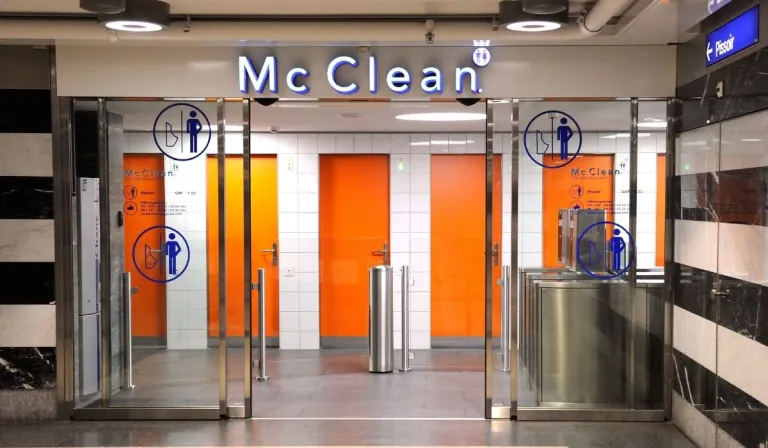
Zurich represents the European paradigm for public toilet management, combining strategic infrastructure with rigorous maintenance protocols. Public restrooms—called "WC" or water closets locally—feature dual-flush mechanisms and constant supplies of toilet paper. The city employs dedicated attendants who perform frequent cleaning rounds, ensuring consistency throughout the day.
Travelers emphasize that Zurich's toilets are "spotless" and "almost spotless," with convenient access at train stations, cable car platforms, parks, and tourist attractions. The trade-off is cost: facilities typically charge 2 Swiss Francs (approximately USD $2.25) per use, a fee that directly funds maintenance quality. Reviews note that this investment ensures cleanliness surpassing that of many private restrooms. The proximity to major transport hubs and tourist areas means visitors rarely face difficulties locating facilities.
3. South Korea (Seoul): Smart City Integration
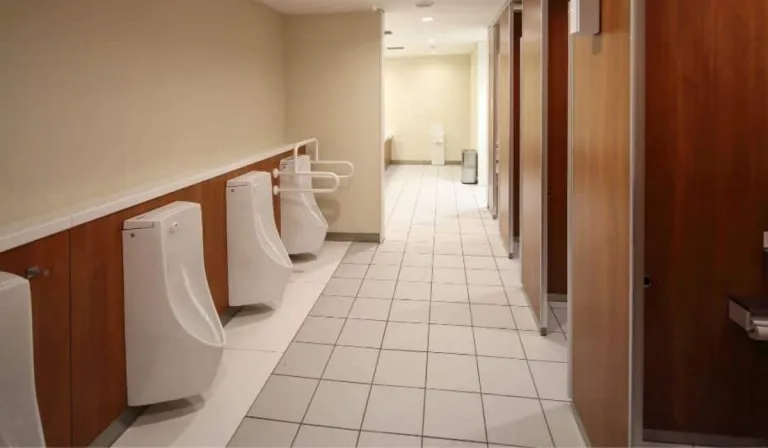
Seoul has transformed its public restroom infrastructure through integration with its Smart City program, combining advanced technology with cultural emphasis on hygiene. Public toilets in metro stations, markets, and tourist attractions feature modern amenities including heated seats, electronic bidets (similar to Japanese models), and smart signage systems that display stall availability in real-time.
Travelers consistently describe Korean public toilets as "clean and hygienic, especially in areas visited by many people, such as Seoul Station and Seoul's most popular tourist destinations." One French visitor compared them favorably to facilities at home, stating: "I often emphasize just how spotless all the restrooms are here. Even during the hike up to N Tower, you'll find toilets that remain tidy...so clean you could eat off the floor!"
However, reviews also note a significant concern: hidden camera surveillance. A 2019 survey revealed that 69% of Seoul residents expressed concern about spy camera placement in public restrooms, a serious safety issue that has prompted police crackdowns, particularly in metro stations where officials conduct regular security checks. Despite this concern, mechanical cleanliness remains exceptionally high, with regular staff cleaning and minimal vandalism.
4. Sweden (Stockholm): Scandinavian Simplicity
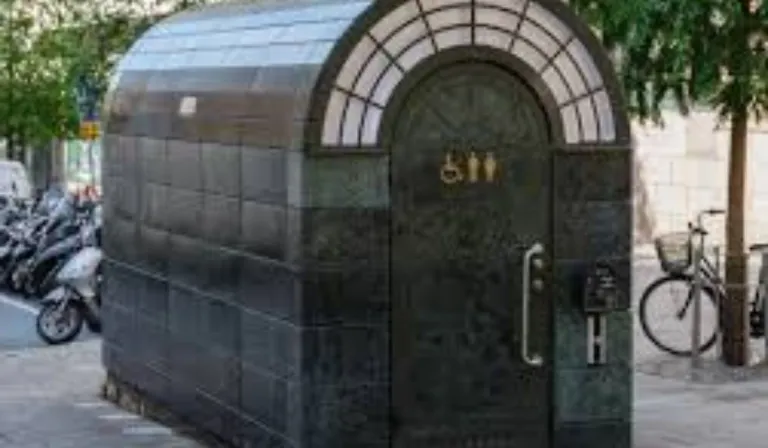
Stockholm's public restrooms exemplify Scandinavian design principles: simple, functional, and meticulously maintained. The city features rotating, self-cleaning toilet seats that guarantee a hygienic experience for each user. While many facilities charge modest fees (5–10 Swedish krona, roughly USD $0.50–$1), over 40 public restrooms across the city are free of charge.
Reviewers praise Stockholm's toilets as "spacious, well-maintained, and quite pleasant to use." The self-cleaning rotating seats are frequently cited as a practical innovation that eliminates the need for attendants to manually sanitize between users. Visitors note that facilities are conveniently located near tourist attractions, shopping areas, and public transport hubs, making them easily accessible during city exploration. The design prioritizes functionality over luxury, appealing to budget-conscious travelers who still expect high standards.
5. Singapore: Strict Standards with Implementation Challenges
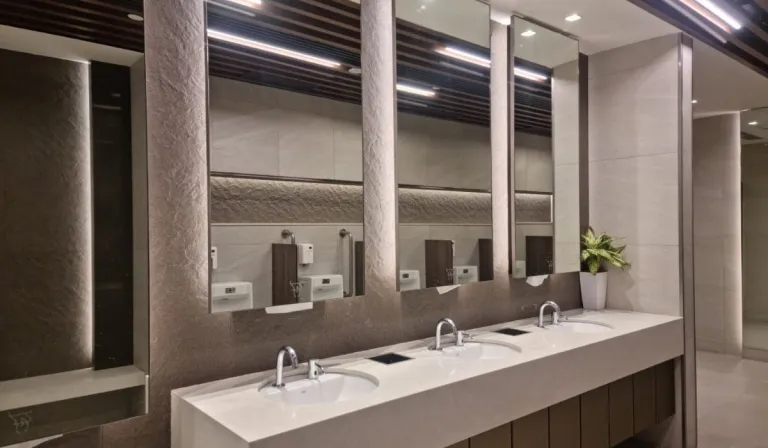
Singapore presents a paradox in public toilet cleanliness. The nation has enacted strict legal frameworks—including a famous law imposing fines exceeding SGD $150 (approximately USD $110) for failing to flush—and maintains some of the world's highest hygiene standards in certain facilities. However, reviews reveal a significant gap between official standards and on-ground reality.
While airport and high-end mall facilities receive consistent praise for cleanliness, hawker center and public street toilets present mixed experiences. A 2023 Singapore Management University study found that 66.74% of Singaporeans believe public toilet cleanliness "stayed just as dirty" or "became much dirtier" since the COVID-19 pandemic, with only 22.18% perceiving improvement. Common complaints include insufficient soap in dispensers, malfunctioning flushes, flooding, and non-functional paper towel dispensers.
An interesting contrast emerges from traveler perspectives: an Australian visitor recently reported that "every single one I encountered was exceptionally clean and well-kept," suggesting that tourist-centric facilities may exceed local public restrooms in cleanliness standards. This discrepancy suggests that Singapore's strict legal framework does not uniformly translate to consistent on-ground implementation across all public facilities.
6. Germany (Multiple Cities): Fee-Based Quality Control
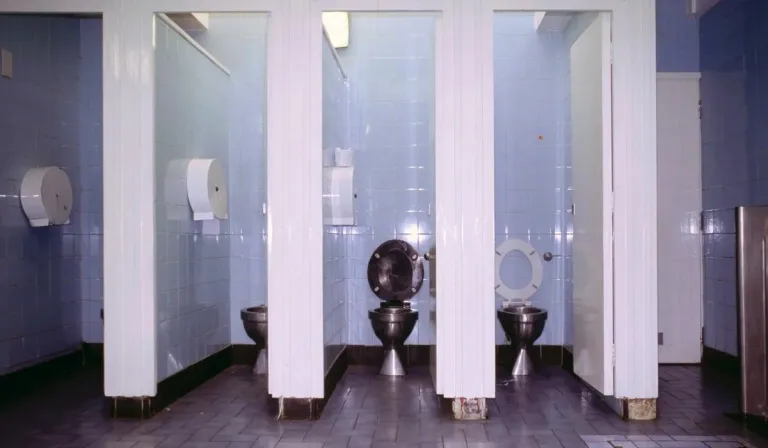
Germany maintains clean public restrooms through a model that ties maintenance quality to user fees. Many public toilets, particularly at Autobahn service stations and city centers, charge €0.70–€1.00 per use. This fee-for-service model ensures dedicated cleaning and maintenance budgets.
Travelers consistently recommend using paid facilities over free alternatives, with one user noting: "if I have the choice, I wait for a stop with paid toilets simply because they are actually usable." Self-cleaning toilets at gas stations across the country receive positive reviews for cleanliness despite the cost barrier.
However, Germany faces an unexpected challenge: school toilet hygiene. A 2023 study revealed that half of German school students prefer to hold their bathroom needs rather than use school facilities, citing unpleasant conditions. This indicates that while public and commercial facilities maintain high standards, institutional restrooms lag. The German government's inaugural School Toilet Summit in 2024 addressed this gap, highlighting that infrastructure investment alone is insufficient without behavioral change and user responsibility.
7. Finland: Hygiene as Cultural Norm
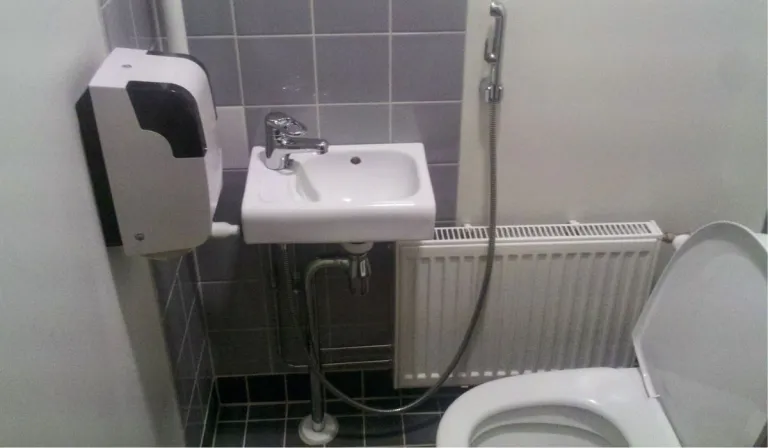
Finland takes pride in its hygiene standards, reflecting broader cultural values emphasizing cleanliness and public health. Public restrooms are regularly maintained and meet Northern European standards for accessibility and functionality.
While specific traveler reviews for Finnish public toilets are less abundant in international travel literature, official sources emphasize that Finland "takes pride in its exceptional hygiene and cleanliness standards," with "regularly cleaned public toilets" throughout the country. The limited international coverage may reflect Finland's status as a less densely visited tourist destination compared to Japan or Switzerland.
One complication emerged regarding gender-neutral toilets: several Finnish municipalities attempted unisex restroom designs in the 2010s following gender equality legislation, but encountered unexpected backlash. Users—particularly women—reported that shared facilities became "untidy," prompting some municipalities to revert to gender-separated toilets. This case demonstrates that cleanliness standards depend not only on infrastructure investment but also on user compliance and behavioral norms.
8. New Zealand: Consistent Standards Across Diverse Locations
New Zealand rounds out the top eight, earning consistent praise from international travelers for maintaining clean public restrooms across varied settings—from tourist hotspots to remote rest stops, gas stations, and ski lodges. Facilities typically feature dry floors, well-stocked supplies, functioning taps with good water pressure, and minimal vandalism.
An international traveler who had "grown up in a developing country in Southeast Asia and later moved to Australia" noted: "I was genuinely impressed by the cleanliness of the restrooms! The floors were consistently dry, the stalls were well-stocked with toilet paper, and there was minimal vandalism." Another observation emphasized that even "portable toilets at outdoor events" maintain high cleanliness standards, suggesting systemic commitment rather than isolated excellence.
Interestingly, one commenter noted that New Zealand's facilities compare favorably to paid European options, stating: "When I compare them to the pay-per-use options in Europe, they don't quite measure up," though this reflects the reviewer's preference for paid quality over free public access.
Published on
About Author
RECOMMENDED READS
10 Best Instagram Spots in Macao Malaysians Must Check-Off 10个适合穷学生便宜又好吃的悉尼餐厅 住宿费高,交通费高,伙食费也高。生活在悉尼的学生们,即使一个星期打工20个小时,也最多只能补贴一半的生活费。想吃一顿好吃的却又担心钱包越来越薄,只好每天往Maccas(麦当劳)跑。是不是说中了你的心声呢?别担心,今天就让小编为你提供10个经济实惠的餐厅,从今以后让你和Maccas说拜拜!
探索 斯洛文尼亚 :感受世界上唯一以爱命名的国家 无论你是喜欢感受当地文化,还是探索大自然的奥妙,处处风景如画的斯洛文尼亚都能满足你的愿望。在斯洛文尼亚,无论何时何地都能让你拥有精彩丰富的旅游体验,只要用心感受,你一定能这趟旅行中探索属于你的斯洛文尼亚特色。
Switzerland at a Glance: The Complete Travel Guide for Malaysians Longing to visit Switzerland but not sure how to go about planning the trip? Take a peek inside this complete travel guide for Malaysians now and make your dreams come true!
A Fusion of East and West at Art Macao International Arts and Cultural Event Ready to experience the artsy side of Macao? Then you’ll definitely want to check out Art Macao, a celebration of the city’s vibrant art scene!
RECENT ARTICLES
8个理由告诉你:秋冬季节到瑞士旅行,为什么值得玩得更久? 从巧克力、芝士到滑雪山坡,让你的瑞士旅行体验更上一层楼。
Mandarin Oriental Desaru Coast: Inside Johor’s Luxury Rainforest Resort Welcoming Johor's latest luxury retreat: Mandarin Oriental, Desaru Coast.
Super Nintendo World Singapore Is Coming: What Malaysian Need to Know Good news, Mario fans ~
布城半日游怎么玩?从粉红清真寺到水上Taxi 7个打卡景点,这份游路线值得收藏! 从梦幻的粉红穹顶、充满异域美感的摩洛哥风情!
What Makes China eSIM Ideal for Uninterrupted Internet Connectivity Here's why travelling in China is better with an eSIM