
Macao, where your ‘gram dreams really do come true.

8 Underrated Destinations to Visit in 2026

While Thailand and Japan continue to dominate Malaysian Instagram feeds, there is a growing list of lesser known destinations that offer just as much wonder at a fraction of the cost, and without the influencer crowds. These eight places take full advantage of Malaysia’s powerful passport, which offers access to 151 visa free countries, and align closely with Malaysian travel priorities such as halal food access, safety, and getting maximum value for money.
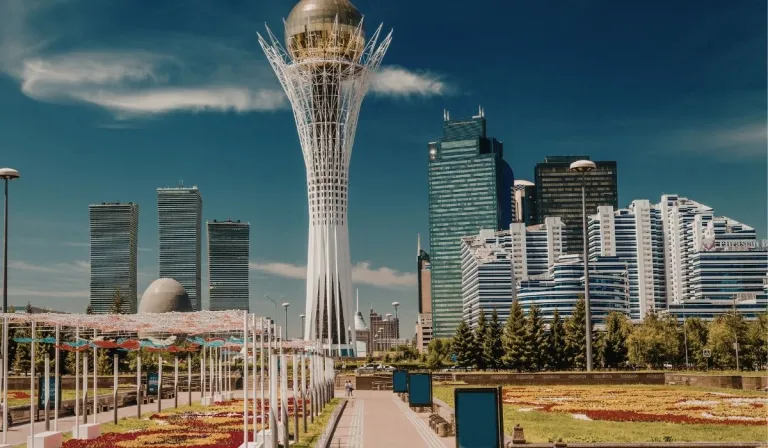
1. Kazakhstan: Central Asia’s Modern Gateway
Why Malaysians Should Go Now
Kazakhstan is often described as Central Asia’s beginner friendly destination. It is modern enough to minimise culture shock, yet different enough to feel genuinely transformative. Direct flights from Kuala Lumpur to Almaty take around eight hours, and Malaysians enjoy 30 days of visa free entry.
Many travellers are surprised by how polished the country feels. Almaty has a sleek metro system, stylish cafés, and boutique hotels, while the nearby Tian Shan mountains deliver alpine scenery that rivals Switzerland at Southeast Asian prices.
The Malaysian Experience
From a budget perspective, RM150 to RM200 a day comfortably covers guesthouses, hearty local meals, and transport. A six day classic itinerary covering Kolsai Lakes, Charyn Canyon, and Medeo Gorge typically costs between RM3,500 and RM4,500 all inclusive.
Halal food is not something you need to actively hunt for. Around 70% of Kazakhstan’s population is Muslim, so halal meals are the norm rather than the exception. Dishes like beshbarmak, which features meat and noodles, and plov, a rice pilaf, suit Malaysian tastes well.
Malaysian tour operators note that interest in Central Asia is growing fast, but travellers often worry about language barriers or basic facilities. Kazakhstan tends to eliminate those concerns, with English speaking guides and four star hotels priced closer to two star properties in Bangkok.
April to May is ideal for spring blooms, while September and October bring autumn colours. Winter travel from December to February appeals to ski enthusiasts, with Shymbulak Resort offering day passes for around RM100, which is cheaper than Genting.
A smart move is to combine Kazakhstan with Kyrgyzstan’s alpine lakes or Uzbekistan’s Silk Road cities in a single multi country itinerary.
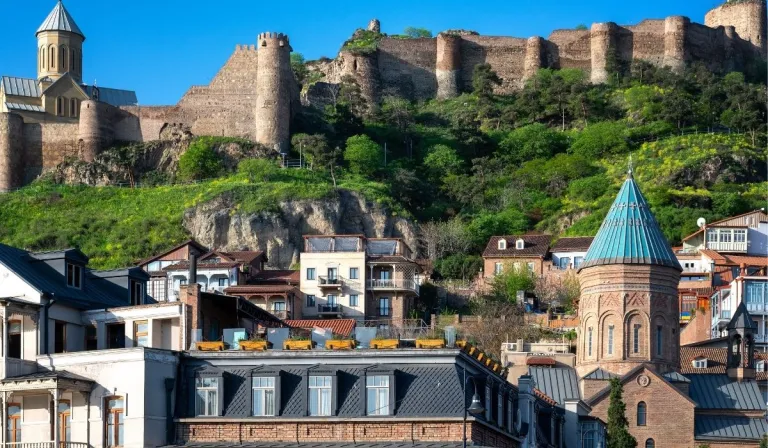
2. Georgia: The Caucasus’ Hidden Gem
Why It’s Perfect for Malaysians
Georgia delivers European charm at Southeast Asian prices, and Malaysians enjoy visa free entry. Tbilisi’s cobbled streets, pastel balconies, and café culture feel almost Tuscan, yet dorm beds cost around RM35 and local meals hover near RM15.
Budget Breakdown
Backpackers can comfortably get by on RM50 to RM70 a day, covering hostels, meals, and shared marshrutka vans. Mid range travellers usually spend RM150 to RM200 a day for boutique guesthouses and private transport.
Although Georgia is a Christian majority country, halal food is widely available in Tbilisi and Batumi. Malaysian travellers consistently report no difficulty finding halal options in major cities.
Georgia also has an excellent safety reputation. Violent crime is extremely rare, and solo female Malaysian travellers often describe feeling completely comfortable walking around Tbilisi even late at night.
Within Malaysian backpacker communities, Georgia is frequently highlighted as exceptional value. One traveller summed it up by saying that even luxury travellers will find Georgia affordable.
One must do experience is the Georgian Military Highway to Kazbegi. Shared taxis cost around RM70 and deliver some of the most dramatic mountain scenery in the country, for less than the price of a bus ride from Kuala Lumpur to Ipoh.
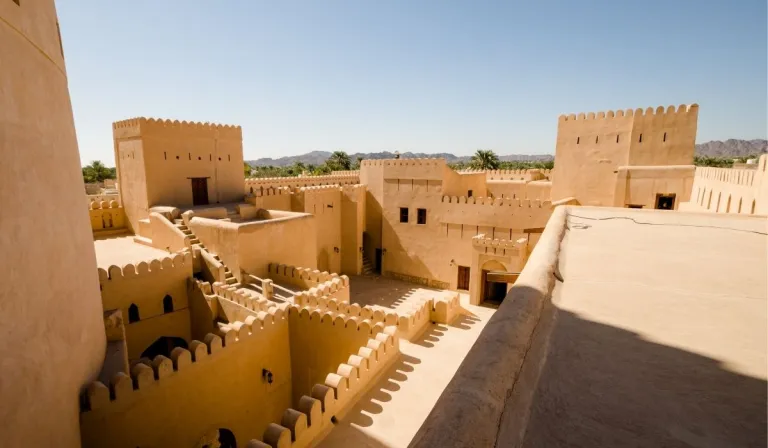
3. Oman: The Middle East’s Gentle Introduction
The Malaysian Appeal
Oman offers an authentic Arabian experience without the hyper commercial feel of Dubai or the restrictions found elsewhere in the region. Malaysians receive 14 days of visa free entry, which can be extended to 30 days via an eVisa.
With 85% of the population being Muslim, halal food is universal and prayer facilities are easy to find, making travel straightforward and comfortable for Malaysians.
Cost Reality
A daily budget of RM200 to RM250 covers mid range accommodation, meals, and even a rental car. While Oman is pricier than Southeast Asia, many of its best attractions are free. These include river canyons, desert dunes, and untouched beaches.
Flights from Kuala Lumpur to Muscat can be found from around RM1,249 return on carriers like flydubai, which is comparable to promotional fares to Tokyo.
What sets Oman apart is its focus on nature rather than malls. Swimming in Wadi Shab, watching turtles at Ras al Jinz, and camping in the Wahiba Sands are all highlights. Malaysian families appreciate the peaceful atmosphere and straightforward visa process.
Travellers often describe Oman as ideal for those who value solitude and natural beauty. October to April is the best time to visit, with December and January offering pleasant temperatures around 25°C.
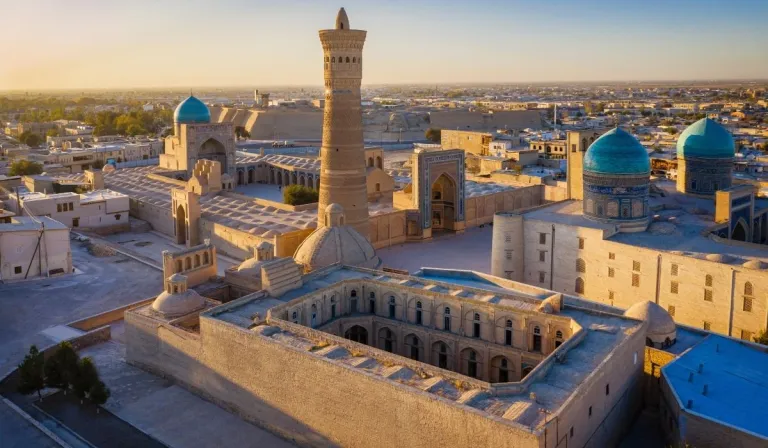
4. Uzbekistan: The Silk Road Time Capsule
Why Malaysians Are Discovering It
Uzbekistan blends Islamic heritage with Soviet era infrastructure, creating a fascinating cultural mix. Malaysians enjoy 30 days of visa free travel, and with 90% of the population being Muslim, it is one of the most halal friendly destinations in the world.
Budget Analysis
Many Malaysians experience Uzbekistan through multi country tours. A 15 day Uzbekistan, Kyrgyzstan, and Kazakhstan itinerary typically costs between RM15,850 and RM20,472. While this sounds high, it includes multiple train journeys, domestic flights, and accommodation across three countries, averaging about RM1,000 per day.
Independent travellers can keep costs far lower. Daily spending of RM80 to RM120 covers hostels, shared taxis, and local meals. The high speed train from Bukhara to Tashkent costs just RM30, less than the KLIA Express.
Malaysians often feel a strong cultural connection to Uzbekistan’s Islamic architecture. Places like Registan Square and Bukhara’s mosques feel familiar yet strikingly different. The Persian influenced cuisine also resonates well.
On social media, Uzbekistan performs exceptionally well. Turquoise domes and mosaic covered mosques offer visuals rarely seen in Southeast Asia, making content instantly stand out.
Direct flights from Kuala Lumpur to Tashkent operate twice weekly, and overland connections from Kazakhstan are smooth for travellers combining destinations.
5. Sri Lanka: The Teardrop Island’s Comeback
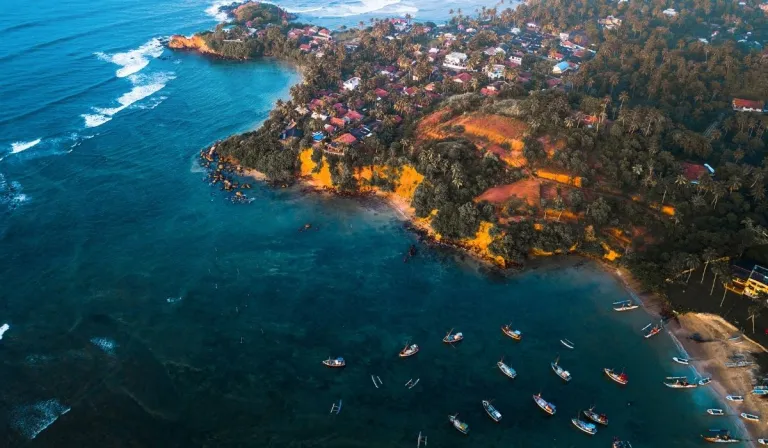
Post Crisis Value
Sri Lanka’s recent economic crisis has made it incredibly affordable for Malaysian travellers. Visa free entry is available, and daily travel costs can be as low as RM50 to RM80.
What Malaysians Spend
One Malaysian couple reported spending the equivalent of RM250 across five days in Sri Lanka, despite eating well and paying for petrol. That is less than a weekend getaway in Melaka.
Halal food is widely available thanks to Sri Lanka’s Muslim population, particularly in Colombo, Kandy, and Galle. Coastal towns like Negombo offer fresh seafood at prices similar to Malaysian night markets.
Despite concerns about past instability, travellers consistently describe Sri Lanka as safe, with solid tourism infrastructure and welcoming locals.
Direct flights from Kuala Lumpur to Colombo take around three and a half hours and often cost RM300 to RM500 return. The compact size of the island makes it easy to combine beaches, tea plantations, and cultural sites within a week.
Many Malaysians also appreciate the sense that visiting helps support the local economy during recovery.
6. Kyrgyzstan: Nomadic Adventure on a Shoestring
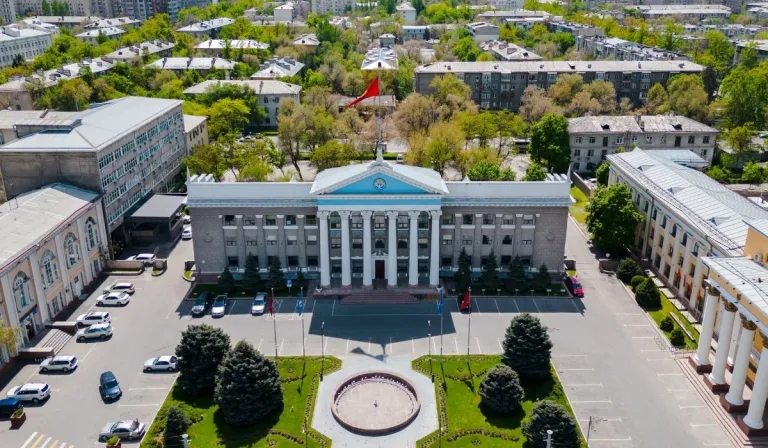
The Raw Appeal
Kyrgyzstan is Central Asia’s adventure playground, offering alpine lakes, yurt stays, and traditional eagle hunting. Malaysians enjoy visa free entry, and with 75% of the population being Muslim, halal food is standard.
Budget Breakdown
Daily expenses range from RM60 to RM80, covering guesthouses, meals, and shared transport. Yurt stays typically cost RM30 to RM50 per night, often including breakfast.
Most Malaysians visit Kyrgyzstan as part of a wider Central Asia itinerary. Longer tours commonly include Issyk Kul Lake, Sulaiman Mountain, and nomadic cultural performances.
What makes Kyrgyzstan special is the chance to experience a nomadic lifestyle without sacrificing comfort. Horse riding and folk shows offer experiences that are difficult to replicate elsewhere.
The country is generally safe and stable. The main concern is altitude sickness in high mountain areas, which can be managed with proper acclimatisation. June to September is ideal for trekking, while March and April coincide with Nowruz celebrations.
7. Armenia: The Caucasus’ Spiritual Heart
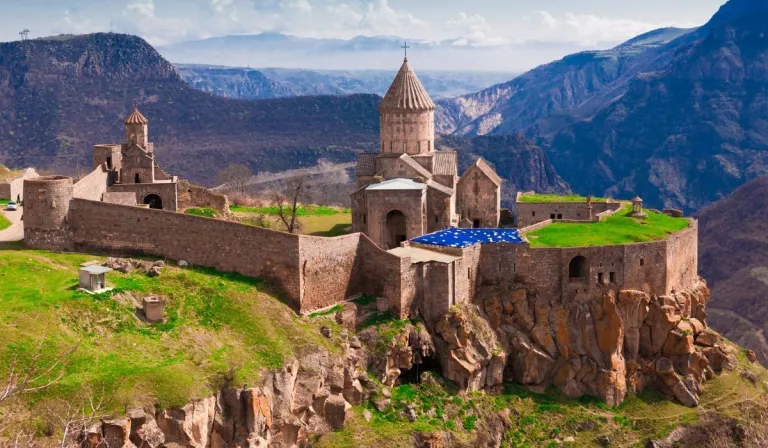
Why It’s Overlooked and Shouldn’t Be
Armenia is often overshadowed by Georgia but deserves time in its own right. Malaysians enjoy visa free entry, and while the country is Christian majority, it is extremely welcoming to Muslim travellers, with halal restaurants available in Yerevan.
Cost Structure
Daily spending of RM70 to RM90 covers hostels, local meals, and public transport. Yerevan’s metro costs just RM0.35 per ride, making it cheaper than Kuala Lumpur’s LRT.
Armenia offers deep historical context through ancient temples and heritage sites that predate Islam. Museums, memorials, and even brandy distilleries add an educational layer to the trip.
Malaysian travellers often note the low crime rate and friendly locals. Despite regional tensions, the country itself feels safe and relaxed.
Flights to Yerevan usually transit through Doha or Istanbul. Many travellers combine Armenia with Georgia, travelling overland for around RM40 while enjoying scenic mountain views.
8. Nepal: Himalayan Adventure Without the Everest Price Tag
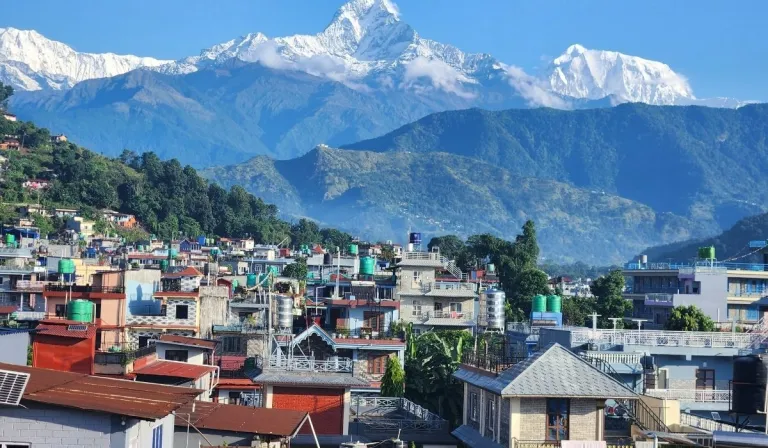
The Malaysian Connection
Nepal’s blend of Hindu culture, Buddhist heritage, and Himalayan scenery resonates strongly with Malaysia’s multicultural identity. Malaysians receive visa on arrival for up to 90 days.
Budget Reality
Daily costs in Kathmandu or Pokhara typically range from RM50 to RM70, covering guesthouses, dal bhat meals, and local buses. Trekking adds around RM30 to RM50 per day for permits and teahouse accommodation.
Halal food is available in Kathmandu, particularly in the Thamel area. Dal bhat is vegetarian and universally safe for Muslim travellers.
Nepal is widely regarded as safe, with well developed trekking infrastructure. Post earthquake rebuilding has improved facilities beyond pre disaster levels.
Malaysian travellers often highlight the country’s cultural depth and natural beauty at remarkably low prices. October and November offer the clearest mountain views, while March and April bring colourful rhododendron blooms.
The Malaysian Traveller’s Framework for Off-Radar Destinations
1. Visa Strategy
Malaysia’s passport is a major advantage. All eight destinations offer visa free entry or visa on arrival. Even countries like Bhutan and Nepal charge visa fees that cost less than a hotel buffet in Kuala Lumpur.
2. Flight Hacking
Central Asia is best accessed via AirAsia’s Kuala Lumpur to Almaty route during promotions.
The Caucasus is easily reached through Doha or Istanbul.
Muscat is accessible from Kuala Lumpur via Air Arabia or flydubai.
South Asia routes to Colombo and Kathmandu are often among the cheapest long haul options.
3. Safety Protocol
These destinations are safer than many people expect. Georgia has near zero violent crime. Oman is consistently described as peaceful. Central Asia maintains stability with tourist police in major cities. Sri Lanka and Nepal benefit from mature tourism systems.
4. Budget Benchmarks
Ultra budget travel under RM80 a day is realistic in Nepal, Sri Lanka, and Kyrgyzstan.
Daily budgets of RM80 to RM120 suit Uzbekistan, Armenia, and Georgia.
Kazakhstan and Oman sit comfortably in the RM150 to RM200 range.
5. Social Media Content Gold
These destinations deliver visuals that outperform mainstream locations. Turquoise mosques in Uzbekistan, mountain monasteries in Georgia, desert landscapes in Oman, and yurt stays in Kyrgyzstan all offer content that feels fresh and distinctive.
6. The 2026 Itinerary Blueprint
Two week itineraries work well for Georgia, Armenia, and Azerbaijan via overland routes, with total costs between RM3,500 and RM4,500.
Ten day trips combining Kazakhstan, Kyrgyzstan, and Uzbekistan typically cost RM4,000 to RM5,000.
A seven day Oman and Georgia trip via Doha can be done for RM2,500 to RM3,500.
Short five day combinations of Sri Lanka and Nepal can come in as low as RM1,500 to RM2,000.
The Fundamental Shift
These destinations reward Malaysians who are willing to trade familiarity for authenticity. They prove that affordable travel does not mean compromised experiences, and that safety is not limited to wealthy nations. Most importantly, they offer stories and visuals that have not been recycled endlessly on Malaysian social media, giving travellers something genuinely new to share.
Published on
About Author
RECOMMENDED READS
10 Best Instagram Spots in Macao Malaysians Must Check-Off 10个适合穷学生便宜又好吃的悉尼餐厅 住宿费高,交通费高,伙食费也高。生活在悉尼的学生们,即使一个星期打工20个小时,也最多只能补贴一半的生活费。想吃一顿好吃的却又担心钱包越来越薄,只好每天往Maccas(麦当劳)跑。是不是说中了你的心声呢?别担心,今天就让小编为你提供10个经济实惠的餐厅,从今以后让你和Maccas说拜拜!
探索 斯洛文尼亚 :感受世界上唯一以爱命名的国家 无论你是喜欢感受当地文化,还是探索大自然的奥妙,处处风景如画的斯洛文尼亚都能满足你的愿望。在斯洛文尼亚,无论何时何地都能让你拥有精彩丰富的旅游体验,只要用心感受,你一定能这趟旅行中探索属于你的斯洛文尼亚特色。
Switzerland at a Glance: The Complete Travel Guide for Malaysians Longing to visit Switzerland but not sure how to go about planning the trip? Take a peek inside this complete travel guide for Malaysians now and make your dreams come true!
A Fusion of East and West at Art Macao International Arts and Cultural Event Ready to experience the artsy side of Macao? Then you’ll definitely want to check out Art Macao, a celebration of the city’s vibrant art scene!
RECENT ARTICLES
8个理由告诉你:秋冬季节到瑞士旅行,为什么值得玩得更久? 从巧克力、芝士到滑雪山坡,让你的瑞士旅行体验更上一层楼。
Mandarin Oriental Desaru Coast: Inside Johor’s Luxury Rainforest Resort Welcoming Johor's latest luxury retreat: Mandarin Oriental, Desaru Coast.
Super Nintendo World Singapore Is Coming: What Malaysian Need to Know Good news, Mario fans ~
布城半日游怎么玩?从粉红清真寺到水上Taxi 7个打卡景点,这份游路线值得收藏! 从梦幻的粉红穹顶、充满异域美感的摩洛哥风情!
What Makes China eSIM Ideal for Uninterrupted Internet Connectivity Here's why travelling in China is better with an eSIM