
Macao, where your ‘gram dreams really do come true.

The Malaysian Travel Passport: Where We’re Going and Why
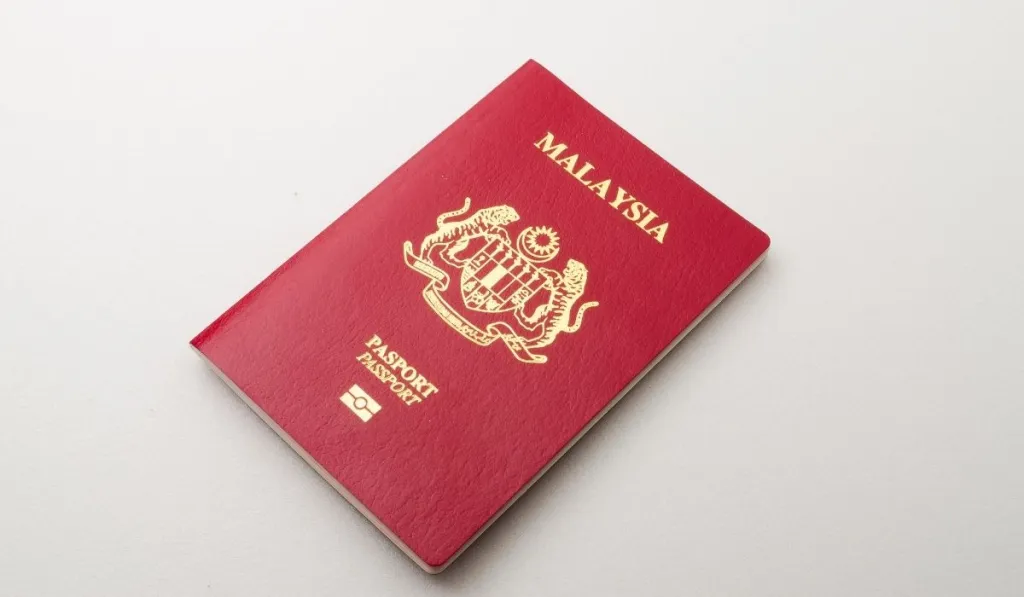
Malaysian outbound travel has returned with remarkable force. In 2024, 69% of Malaysians planned international holidays, a figure that even surpasses pre pandemic confidence levels. This rebound is not just about pent up demand. It reflects a deeper shift in how Malaysians think about value, distance, comfort, and cultural familiarity. The destinations we choose say a great deal about our economic realities, but also about what we aspire to experience when we travel.
1. The Undisputed Champion: Thailand’s Enduring Grip
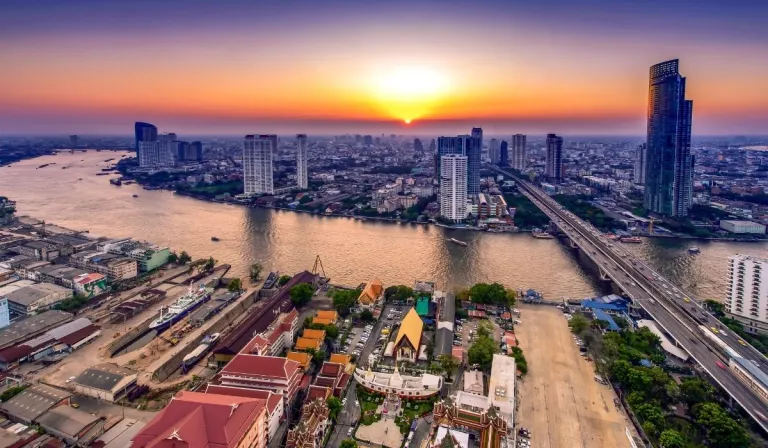
Thailand continues to dominate Malaysian travel choices, accounting for 24.3% of outbound holiday traffic. In simple terms, nearly one in four Malaysians travelling overseas chooses Thailand. In 2025 alone, over 3.8 million Malaysians visited the country, firmly positioning Malaysia as Thailand’s largest source market.
Why Malaysians Keep Returning
Online conversations are refreshingly blunt. As one Reddit user put it, “It’s freaking cheap.” But affordability alone does not explain Thailand’s enduring appeal.
Southern Thailand, especially Hat Yai, Songkhla, and Phuket, offers something many Malaysians feel is missing at home: consistent quality at lower prices. One traveller summed up the sentiment neatly by asking, “If I’m going to spend about the same overall, do I go local like Langkawi, or somewhere different like southern Thailand?” For many, the answer is clear.
Several practical factors keep Thailand at the top of the list.
Land accessibility plays a major role. Multiple border crossings by train, bus, or car make spontaneous weekend trips entirely realistic.
Cultural comfort also matters. As one commenter noted, there are no restrictive religious or racial policies that complicate daily life, which makes travelling feel easy and relaxed.
Service consistency is another key draw. Thailand’s hospitality industry delivers reliable standards even at budget levels.
Finally, the currency advantage cannot be ignored. The Thai baht’s relative weakness against the ringgit gives Malaysians greater purchasing power, making trips feel better value overall.
2. The Budget Revolution: Vietnam’s Rise
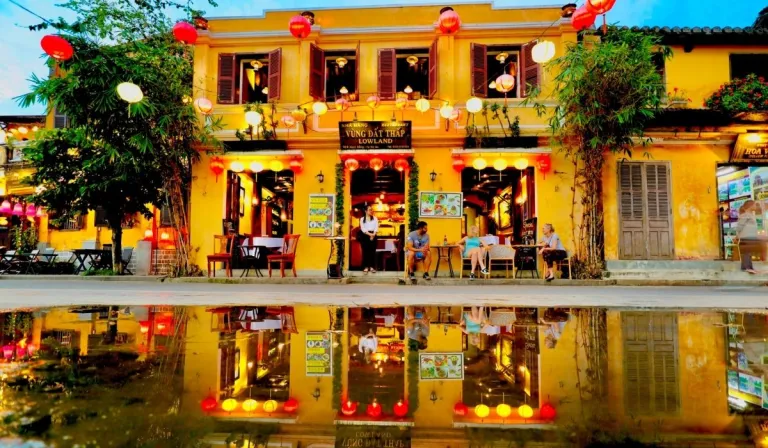
Vietnam has quietly captured 8.2% of Malaysia’s outbound travel market, positioning itself as the budget friendly alternative to Thailand. The appeal is amplified by the Vietnamese dong’s extreme weakness, where RM1 equals roughly 5,000 VND. This creates a psychological sense of freedom that many Malaysians find irresistible.
The Value Proposition
A Malaysian couple recently documented a three day, two night trip to Ho Chi Minh City for under RM1,000. Their verdict was simple: “Saigon is good for ballin’ on a budget.”
Street food such as bun cha can cost as little as RM1.35. Dormitory beds range from RM5 to RM15 per night, while bus fares start at around RM0.30. This pricing allows middle income Malaysians to travel internationally without the financial pressure associated with more traditional destinations.
Online commentary reinforces this appeal.
“RM1 is roughly 5,000 VND. You feel like a millionaire carrying millions in dong.”
“Vietnam is one of the cheapest countries to travel in, with affordable food, transport, and accommodation.”
Many budget travellers report daily spending of just USD30 to USD50, including accommodation, meals, and activities.
The Catch
Vietnam’s biggest drawback is not price, but consistency. While accommodation is often cheaper than in Malaysia, travellers acknowledge that infrastructure and service standards can vary. Vietnam rewards flexibility and patience more than Thailand does, which may not suit everyone.
3. The Cool Weather Escape: Japan’s Premium Appeal
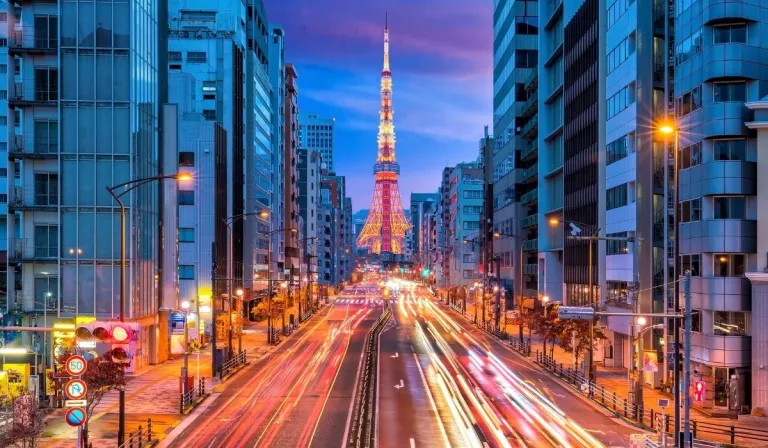
Japan accounts for 7.9% of Malaysian outbound travel and represents the aspirational end of the spectrum. Unlike Thailand or Vietnam, Japan attracts Malaysians who are seeking cooler weather and deep cultural immersion rather than pure affordability.
Motivations Beyond Cost
Malaysian Instagram reels often frame Japan through simple but powerful narratives, such as “going to Japan from Malaysia for cool weather.” Yet the attraction goes far beyond temperature.
Cultural fascination plays a huge role, from cherry blossoms to minimalist design, both of which dominate Malaysian social feeds.
There is also a strong perception of safety and order, which feels like a sharp contrast to the more chaotic energy of Southeast Asia.
Japanese cuisine carries premium status in Malaysia, further elevating Japan’s appeal as a refined travel destination.
4. The Hallyu Effect: South Korea’s Cultural Gravity
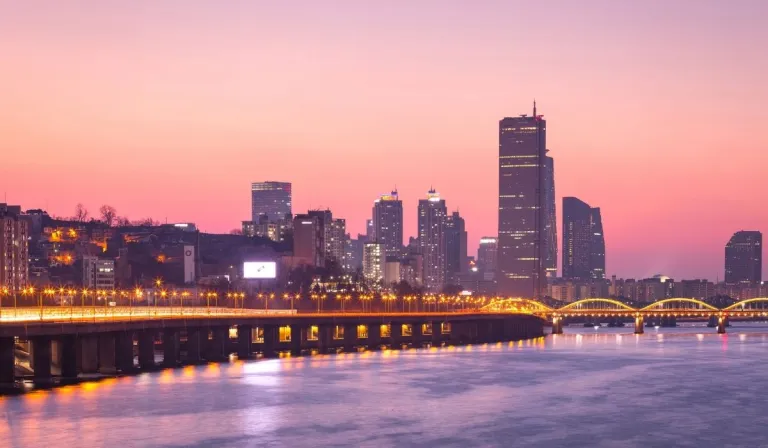
South Korea’s influence extends beyond raw visitor numbers. While its share is smaller than Japan’s, growth has been rapid. In 2025, 215,000 Malaysians visited South Korea, reaching 84% of pre COVID levels.
Academic research shows that 61.8% of Malaysian tourists strongly intend to revisit South Korea, driven by forces that go well beyond conventional sightseeing.
The K Wave Mechanism
A study by UTAR confirms that Korean popular culture has globalised rapidly, with Malaysia emerging as Southeast Asia’s second largest source market for Korean tourism.
K drama emotional investment plays a significant role, with 38.5% of revisit intention linked to dramas, cuisine, music, and the country’s distinctive image.
Parasocial relationships also matter. Malaysian youth often feel emotionally connected to Korean celebrities, which translates directly into destination loyalty.
There is also social currency at play. Trips to Korea generate high engagement on Instagram and TikTok, where Korean Wave hashtags consistently outperform others.
What Malaysians Actually Say
Influencers like @justtravel.official, who commands over 700,000 Facebook followers, document Korean trips in great detail because their audiences want authentic access to K culture.
Comments reveal the emotional pull. Many note that the Korean Wave has driven Malaysians not only to visit Korea, but also to buy Korean products. Travel becomes a form of identity expression, not just leisure.
5. The Daily Commute: Singapore’s Unique Category

Singapore sits outside conventional tourism metrics. For many Malaysians, it is not a holiday destination but part of daily life.
While 80% of Johor Bahru’s visitors come from Singapore, the reverse flow is just as significant. Hundreds of thousands of Malaysians commute to Singapore for work and education.
The JB SG Pipeline
An estimated 300,000 to 400,000 Malaysians cross the Causeway daily. Reddit threads and YouTube documentaries document this reality, with titles like “I woke up at 4am every day to travel from JB to Singapore to study.”
The motivations are overwhelmingly economic.
Singapore salaries stretch further when spent in ringgit.
Education quality draws Malaysian parents to Singapore schools.
Housing space is another factor, with entire houses available in JB compared to single rooms in Singapore.
Social Media Reality Check
The daily commute has become viral content in its own right.
Commenters describe exhaustion, strain on the body, and even a sense of lost national identity. Yet others point out the increased freedom and lack of landlords. This is not tourism. It is economic survival that happens to involve border crossings.
Emerging Destinations: Where Malaysians Will Go Next
1. Turkey: The Halal Friendly Long Haul
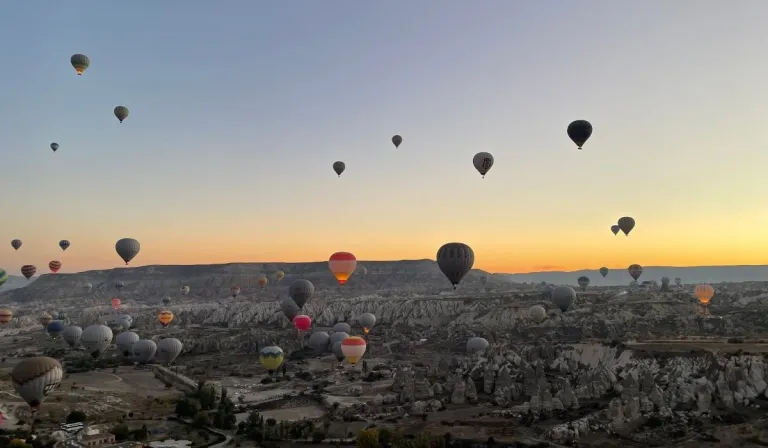
Turkey entered the top seven destinations for 2024, appealing strongly to Muslim travellers. It offers European aesthetics without cultural compromise. Ottoman heritage, Cappadocia’s hot air balloons, and Istanbul’s mosques combine to create a highly aspirational destination.
2. China: The Resurgent Giant

Post pandemic travel between Malaysia and China is accelerating rapidly. High speed rail, improved connectivity, and visa liberalisation make cities like Guangzhou and Shenzhen attractive for short shopping trips. For Malaysian Chinese, ancestral and cultural connections add another layer of appeal.
3. Indonesia: Beyond Bali
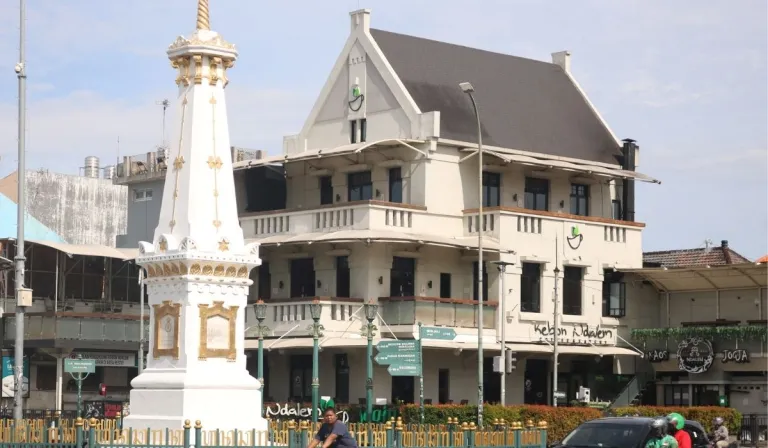
Indonesia ranks second overall with an 18.2% share, but Malaysian travellers are increasingly exploring beyond Bali. Bandung’s factory outlets, Yogyakarta’s temples, and Lombok’s beaches are gaining popularity. Direct flights to multiple Indonesian cities often cost less than domestic flights to Sabah.
The Domestic Dilemma: Why Malaysians Prefer Abroad
Despite ongoing “Cuti Cuti Malaysia” campaigns, 69% of Malaysians plan overseas travel compared to 66% who plan domestic trips. The reasons are straightforward and practical.
Price sensitivity is key. Over a quarter of travel decisions are budget driven. When hotels in Langkawi cost more than all inclusive packages in Phuket, the decision becomes obvious.
Perceived value also matters. Many Malaysians feel domestic destinations lack cohesion, polish, and consistent maintenance. Service standards are seen as unpredictable compared to Thailand’s dependable budget offerings.
Social media amplifies this imbalance. International destinations generate higher engagement. A Malaysian influencer’s Korea content often performs three times better than their Langkawi posts, reinforcing a cycle that devalues domestic travel.
Practical Implications for Malaysian Travellers
For those looking to stretch their budget, Vietnam and southern Thailand offer the strongest value, with daily spending under RM150.
For experience-driven travellers, Japan and South Korea justify higher costs through cultural depth and social capital, but typically require budgets of RM3,000 or more.
Families often find Indonesia’s secondary cities and Thailand’s resorts strike a good balance between accessibility and child friendly facilities.
Solo travellers gravitate towards South Korea’s solo dining culture and Vietnam’s backpacker hostels, which offer both safety and community.
The Bottom Line
Malaysian travel patterns reflect a maturing market that prioritises value, authenticity, and cultural connection over proximity alone. We no longer travel just to escape. We travel to maximise experience, stretch our money, and express who we are. And judging by our social media feeds, Malaysians are getting smarter at it every single year.
Published on
About Author
RECOMMENDED READS
10 Best Instagram Spots in Macao Malaysians Must Check-Off 台湾旅游必备宝典!7个Tips让你避开地雷,省钱省时绝对不吃亏! 大家都知道台湾是个非常Travel Friendly 的国家,但有哪些超好用的Tips,哪些要避开的地雷你真的知道吗?小编整理了7个Tips,让你避免吃亏踩坑,快乐游台湾!
10个适合穷学生便宜又好吃的悉尼餐厅 住宿费高,交通费高,伙食费也高。生活在悉尼的学生们,即使一个星期打工20个小时,也最多只能补贴一半的生活费。想吃一顿好吃的却又担心钱包越来越薄,只好每天往Maccas(麦当劳)跑。是不是说中了你的心声呢?别担心,今天就让小编为你提供10个经济实惠的餐厅,从今以后让你和Maccas说拜拜!
探索 斯洛文尼亚 :感受世界上唯一以爱命名的国家 无论你是喜欢感受当地文化,还是探索大自然的奥妙,处处风景如画的斯洛文尼亚都能满足你的愿望。在斯洛文尼亚,无论何时何地都能让你拥有精彩丰富的旅游体验,只要用心感受,你一定能这趟旅行中探索属于你的斯洛文尼亚特色。
Switzerland at a Glance: The Complete Travel Guide for Malaysians Longing to visit Switzerland but not sure how to go about planning the trip? Take a peek inside this complete travel guide for Malaysians now and make your dreams come true!
RECENT ARTICLES
8个理由告诉你:秋冬季节到瑞士旅行,为什么值得玩得更久? 从巧克力、芝士到滑雪山坡,让你的瑞士旅行体验更上一层楼。
Mandarin Oriental Desaru Coast: Inside Johor’s Luxury Rainforest Resort Welcoming Johor's latest luxury retreat: Mandarin Oriental, Desaru Coast.
Super Nintendo World Singapore Is Coming: What Malaysian Need to Know Good news, Mario fans ~
布城半日游怎么玩?从粉红清真寺到水上Taxi 7个打卡景点,这份游路线值得收藏! 从梦幻的粉红穹顶、充满异域美感的摩洛哥风情!
What Makes China eSIM Ideal for Uninterrupted Internet Connectivity Here's why travelling in China is better with an eSIM