
这个周末不想呆在家又不想跑太远,那就到Sungai Buloh双溪毛糯来个半日游,不为人知的当地好吃、好玩一一为你介绍!

Kuching for First-Timers: A 3D2N Itinerary of Food, Culture, and Nature

Kuching, the capital of Sarawak, often flies under the radar compared to Penang or Ipoh, yet it offers a distinctive charm that captures the hearts of those who visit. Known affectionately as the Cat City, it is a place where old colonial heritage sits comfortably alongside vibrant indigenous cultures and a food scene so unique it earned the city a spot as a UNESCO Creative City of Gastronomy.
For a first-time visitor, three days and two nights is the perfect amount of time to sample the highlights. This itinerary balances the necessary tourist stops with the culinary deep dives that Malaysians love.
Day 1: Heritage Streets and Legendary Broths
Your first day should be dedicated to acclimatising to the slower pace of East Malaysia. The city centre is walkable, historic, and packed with eateries that have operated for generations.
Morning: The Breakfast of Gods
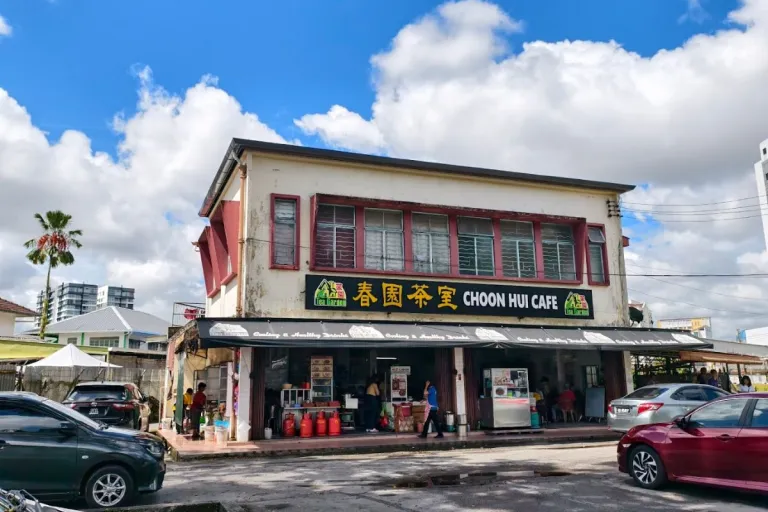
Image Credit: Reiko Erlis
There is only one way to start a trip to Kuching, and that is with a bowl of Sarawak Laksa. Head straight to Choon Hui Cafe to understand why the late Anthony Bourdain dubbed this dish the "Breakfast of the Gods". Unlike the curry laksa in KL or the asam laksa in Penang, the Sarawak version features a prawn and chicken-based broth that is aromatic with spices yet not overly rich with coconut milk.
Online reviews consistently praise the depth of the broth here. Visitors frequently mention that despite the long queues and the wait for a table, the balance of the soup is unmatched. Reviewers advise arriving before 8.30am because the laksa often sells out by mid-morning. The general consensus is that the patience required to get a seat is a small price to pay for such a complex flavour profile.
Afternoon: The Heritage Walk

After breakfast, walk off the calories along the Kuching Waterfront. This landscaped esplanade traces the southern bank of the Sarawak River and offers the best views of the Astana and the new State Legislative Assembly building across the water. From here, cut inwards to Carpenter Street and India Street. These narrow lanes are lined with 19th-century shophouses selling everything from tinsmith wares to pepper products.

Image Credit: robas
Make a stop at the Old Court House, a stunning white colonial building that has been repurposed into a hub for arts and dining. It is an excellent spot for a midday coffee break in a setting that feels like stepping back in time.
Travellers love the walkability of this area. Many reviews highlight the "tambang" boat ride, a traditional wooden boat that ferries passengers across the river for a nominal fee. Tourists find this short ride charming and authentic, often citing it as a simple yet memorable highlight of their city tour.
Evening: Top Spot for Seafood
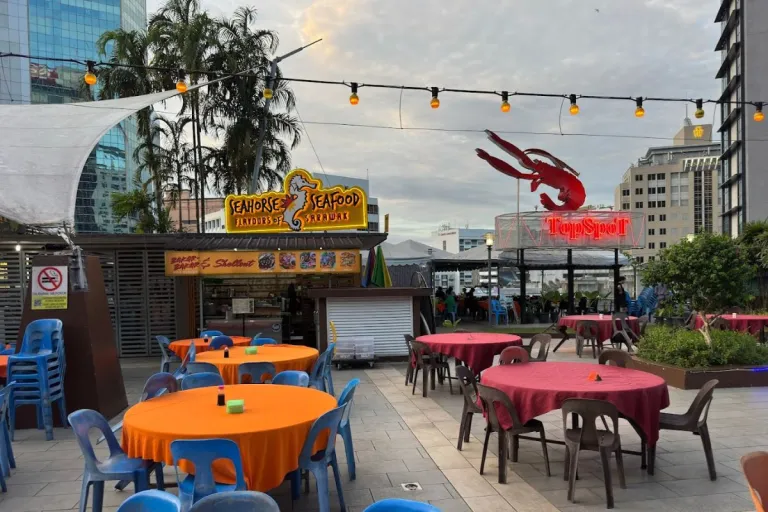
Dinner in Kuching means seafood. Top Spot Food Court is located on the roof of a multi-storey car park, and while the ambience is bustling and noisy, the food is incredibly fresh. Look for stalls like Bukit Mata or Ling Loong. Order the midin (jungle fern) stir-fried with belacan, huge river prawns, and oyster pancakes.
The "value for money" aspect is a recurring theme in online reviews for Top Spot. Visitors from West Malaysia are often surprised by the portion sizes and freshness relative to the price. The stir-fried midin is almost universally recommended as a must-try vegetable dish that you cannot easily find in Peninsular Malaysia.
Day 2: Orang Utans and Living History
On your second day, step out of the concrete jungle and into the actual jungle. Sarawak is famous for its wildlife and indigenous heritage, and both are accessible within a short drive from the city.
Morning: Semenggoh Wildlife Centre

Image Credit: bicho_raro
Take a Grab or a tour van about 40 minutes out of the city to the Semenggoh Wildlife Centre. This is not a zoo. It is a rehabilitation centre where semi-wild orangutans roam free in the reserve. The best time to visit is during the feeding sessions, which usually happen at 9.00am and 3.00pm. Seeing these "men of the forest" swinging through the canopy to grab a bunch of bananas is a bucket-list experience.
Visitors describe the experience as humbling and awe-inspiring. Reviews often caution that sightings are not guaranteed since the animals are free to come and go, but this unpredictability is also what many reviewers appreciate. It feels authentic and ethical compared to traditional zoos. The rangers are frequently praised for their passion and knowledge during the briefings.
Afternoon: Sarawak Cultural Village

From Semenggoh, head towards the coast to the Sarawak Cultural Village (SCV) situated at the foothills of Mount Santubong. Known as a "living museum", the sprawling grounds feature replica longhouses and dwellings representing the major ethnic groups of Sarawak, including the Iban, Bidayuh, Orang Ulu, and Melanau.
Inside each house, you will find "residents" in traditional attire demonstrating local crafts like beadwork, bamboo carving, and snack making. Do not miss the 45-minute cultural show held in the theatre, which is an energetic display of dance and music.
Families and cultural enthusiasts rate SCV highly for being educational without being boring. The cultural show is the most highly cited positive aspect in reviews, with many calling it entertaining and professional. Visitors recommend wearing comfortable shoes and bringing an umbrella, as the walk between houses is outdoors and the tropical weather can be unpredictable.
Day 3: Essential Eats and Edible Souvenirs
Your final day is about tying up loose ends, which in Malaysia usually involves buying gifts for family and squeezing in one last meal.
Morning: The Kolo Mee Pilgrimage
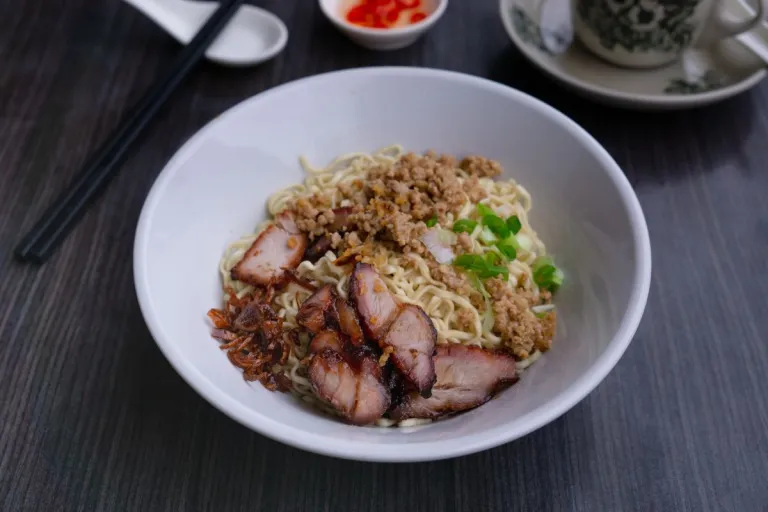
You cannot leave Kuching without eating Kolo Mee. For the non-halal version, Sin Lian Shin at Green Road is a local favourite for its springy noodles tossed in lard and shallot oil. For a halal version, Sepinang Sari Cafe serves a beef noodle variation that rivals any traditional serving. The noodles are crinkly, springy, and usually served with minced meat and slices of char siu or beef.
Foodies online often debate which Kolo Mee is the best, but the consensus is that the texture of the noodles in Kuching is superior to the "wantan mee" found in KL. Reviews for Sepinang Sari specifically praise the generous toppings and the rich, savoury sauce that coats every strand of noodle.
Afternoon: Souvenir Hunting on Main Bazaar
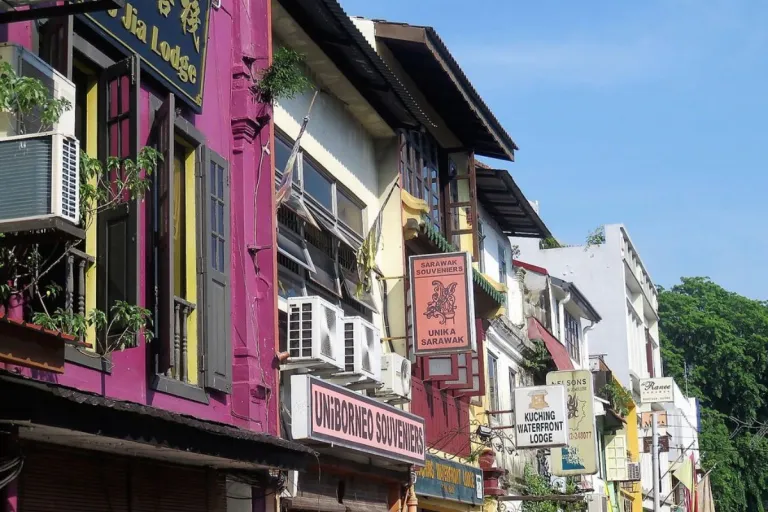
Before heading to the airport, stroll along Main Bazaar Road. This is the place to buy Sarawak pepper, intense tuak (rice wine), and the iconic Pua Kumbu textiles.
However, the most important purchase is the Kek Lapis (Layer Cake). Shops like Kek Lapis Dayang Salhah (across the river) or the stalls along the waterfront offer free tastings. These cakes come in psychedelic colours and intricate geometric patterns. They are dense, moist, and buttery.
Travellers suggest buying more than you think you need. Reviews often mention the "regret" of not buying enough rolls once they return home and realise how quickly they are eaten. The intricate patterns are also frequently noted as a major talking point when serving the cake to guests back home.
Conclusion
Kuching offers a travel experience that feels distinctly different from the rest of Malaysia. It is slower, greener, and culturally distinct. For a first-timer, this 3D2N itinerary provides a comprehensive snapshot of why Sarawak is known as the Land of the Hornbills. You will leave with a full stomach, a camera roll full of nature shots, and a box of layer cakes that likely will not last the week.
Published on
About Author
RECOMMENDED READS
让你意想不到的Sungai Buloh!双溪毛糯半日游记 最简朴到最豪华!马来西亚10个露营地点推荐 露营,不管是原始版还是豪华版,都能让你在与大自然零距离接触的同时,彻底放松身心灵。这个周末就约上三五好友露营去吧!
10 Best Instagram Spots in Macao Malaysians Must Check-Off Macao, where your ‘gram dreams really do come true.
10个适合穷学生便宜又好吃的悉尼餐厅 住宿费高,交通费高,伙食费也高。生活在悉尼的学生们,即使一个星期打工20个小时,也最多只能补贴一半的生活费。想吃一顿好吃的却又担心钱包越来越薄,只好每天往Maccas(麦当劳)跑。是不是说中了你的心声呢?别担心,今天就让小编为你提供10个经济实惠的餐厅,从今以后让你和Maccas说拜拜!
探索 斯洛文尼亚 :感受世界上唯一以爱命名的国家 无论你是喜欢感受当地文化,还是探索大自然的奥妙,处处风景如画的斯洛文尼亚都能满足你的愿望。在斯洛文尼亚,无论何时何地都能让你拥有精彩丰富的旅游体验,只要用心感受,你一定能这趟旅行中探索属于你的斯洛文尼亚特色。
RECENT ARTICLES
Why Oman Deserves a Place on Malaysians’ Travel Radar in 2026 Oman offers a quieter, more immersive way to experience the Middle East.
8个理由告诉你:秋冬季节到瑞士旅行,为什么值得玩得更久? 从巧克力、芝士到滑雪山坡,让你的瑞士旅行体验更上一层楼。
Mandarin Oriental Desaru Coast: Inside Johor’s Luxury Rainforest Resort Welcoming Johor's latest luxury retreat: Mandarin Oriental, Desaru Coast.
Super Nintendo World Singapore Is Coming: What Malaysian Need to Know Good news, Mario fans ~
布城半日游怎么玩?从粉红清真寺到水上Taxi 7个打卡景点,这份游路线值得收藏! 从梦幻的粉红穹顶、充满异域美感的摩洛哥风情!