
Macao, where your ‘gram dreams really do come true.

Where Malaysians Are Actually Travelling Domestically Post-2025

Malaysia’s domestic tourism didn’t just recover in 2025 — it surged. In the first nine months alone, Malaysians made 216 million domestic trips and spent RM88.4 billion, a strong double-digit increase compared to the year before. This challenges the idea that locals only want cheap holidays in Thailand or Indonesia. Instead, more Malaysians are exploring their own country, drawn by nature, culture, food, and family-friendly experiences. Better roads, more affordable flights, and campaigns like Visit Malaysia 2026 have also made local travel easier and more attractive.
1. Sabah: The Surprise Star

Sabah has become one of Malaysia’s biggest domestic tourism success stories. Visitor numbers jumped more than 27%, showing that many Peninsular Malaysians are no longer put off by the idea that East Malaysia is “too expensive.” Budget airlines added more flights to Kota Kinabalu, hotel choices increased, and social media showed how different Sabah feels compared to the Peninsula.
Kota Kinabalu (KK) is a big reason why Sabah works so well. It’s both a seaside city and a base for nature adventures. Just 15 minutes by boat from the city is Tunku Abdul Rahman Marine Park, where islands like Sapi and Manukan offer clear water, coral reefs, and easy snorkelling. Families especially love this because it feels like a tropical island holiday without complicated logistics or high costs.
Mount Kinabalu is another major draw. Not everyone climbs to the summit, but the mountain’s status as a UNESCO site makes it a bucket-list landmark. Even visitors who don’t hike to the top can enjoy Kinabalu Park, with cool air, walking trails, gardens, and nearby Poring Hot Springs.
Sabah’s wildlife experiences also stand out. River cruises along the Klias River let visitors spot proboscis monkeys at sunset and watch fireflies light up the riverbanks at night. Cultural stops like Mari Mari Cultural Village introduce travellers to Sabah’s indigenous traditions through food, crafts, and demonstrations.
Many Malaysians also say Sabah feels more relaxed than big cities in the Peninsula. The locals are known for being friendly, and seafood in KK — from grilled fish to sea urchin — is often described as fresher and cheaper than in Kuala Lumpur.
2. Langkawi: The Dependable Favourite

Langkawi remains one of Malaysia’s most reliable holiday spots. Its duty-free status, direct flights, and wide range of hotels make it an easy choice for families and couples.
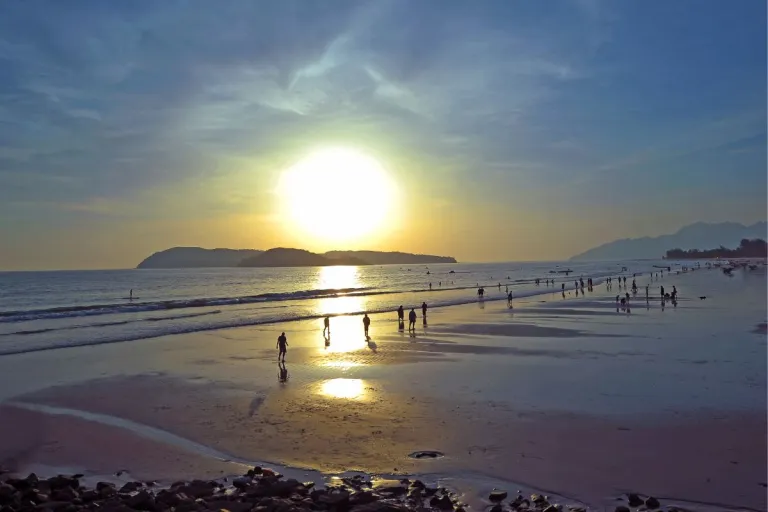
Pantai Cenang is the island’s main beach area, full of restaurants, shops, water sports, and nightlife. It has energy and convenience, but still feels more relaxed than crowded foreign beach destinations. Travellers like that you can swim, try parasailing, or just enjoy sunset drinks all in one place.
Despite development, Langkawi still has a local feel. Just a short drive from tourist areas, you’ll find villages, rice fields, and roadside food stalls. The rotating night markets (pasar malam) are especially popular because they serve locals first, with tourists simply joining in.
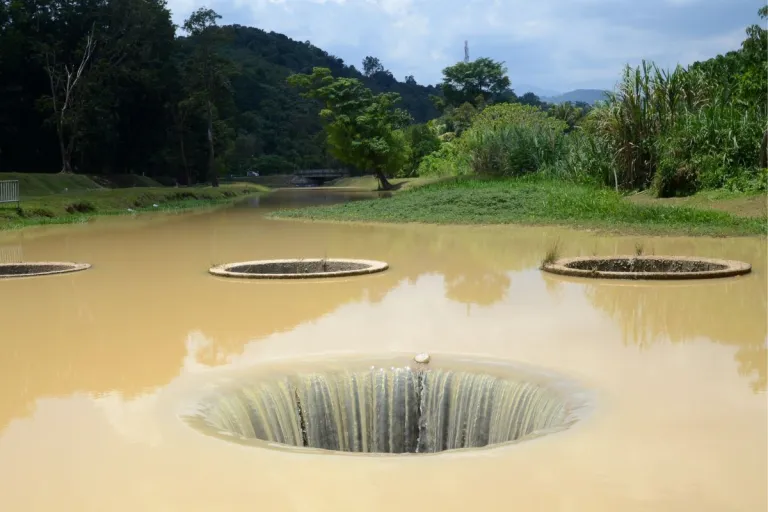
Nature is another strong point. Waterfalls like Telaga Tujuh Temurun show off Langkawi’s green interior, while boat tours through mangroves offer wildlife sightings. The Langkawi Cable Car and Sky Bridge are considered must-dos for their dramatic views, even if ticket prices are high.
Some travellers compare Langkawi to Thai islands, but many Malaysians feel Langkawi offers a unique mix of Malay culture, nature, and convenience that keeps it worth revisiting.
3. Cameron Highlands: Loved and Criticised
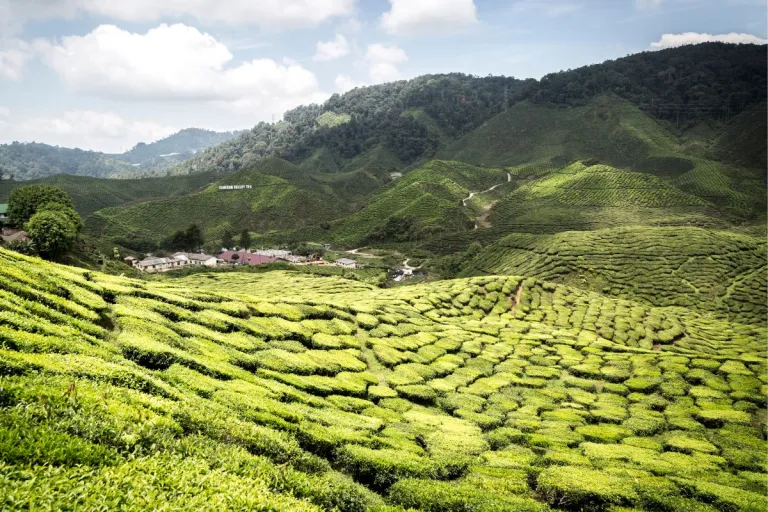
Cameron Highlands continues to attract visitors looking for cool weather, but reactions are mixed. Some travellers love the rolling tea plantations, strawberry farms, and misty hills. Places like BOH Tea Plantation and the Mossy Forest still impress with scenic views and guided nature walks.
The cooler climate is a big reason Malaysians go. Temperatures can drop to around 15–20°C, which feels refreshing compared to the heat in most parts of the country.
However, others feel Cameron has become too commercialised. Traffic jams, crowded towns, plastic-covered farms, and poorly maintained hiking trails disappoint visitors who expect untouched nature. Some describe it as more about businesses and markets than peaceful highland scenery.
Many seasoned travellers now suggest Cameron Highlands works best as a short stop rather than a long stay — enjoy the tea views and cool air, but manage expectations.
What’s Really Driving Domestic Travel?
The growth in domestic tourism isn’t just about sightseeing. Statistics show Malaysians spend most on shopping, food, and fuel, meaning trips often mix leisure with eating and retail. Urban areas like Selangor and Kuala Lumpur still get huge visitor numbers because of malls, restaurants, and entertainment.
A large portion of domestic trips are also for visiting relatives and friends, especially during festive seasons like Chinese New Year and Hari Raya. Many travellers stay with family instead of in hotels, although hotel and homestay stays are slowly increasing.
Most Malaysians travel by car, which explains why road trips and nearby destinations remain popular. However, cheaper flights have made Sabah and Sarawak more accessible than before.
Another key trend is experiential travel. Malaysians increasingly want hands-on, memorable activities — wildlife tours, cultural villages, hiking, kayaking — instead of just taking photos at famous spots.
Other Rising Destinations
Perak has quietly become one of the fastest-growing states for domestic tourism. Ipoh’s food scene, heritage streets, and nearby nature spots make it a favourite weekend getaway from KL.
Penang continues to attract visitors with its UNESCO heritage areas, street food, and cultural mix. It offers a different vibe from Langkawi — more urban and cultural than beach-focused.
Meanwhile, Johor’s growth has slowed, possibly because places like Legoland and Desaru are already well-established and no longer “new.”
Looking Ahead

Campaigns like Visit Malaysia 2026 are expected to boost both international and domestic tourism by improving infrastructure and promoting lesser-known attractions. Domestic tourism is especially important because it provides stable income even when international travel fluctuates.
Malaysian travellers today are more selective. They compare local trips with overseas options and expect good value, authentic experiences, and decent facilities. Destinations that offer something unique — like Sabah’s wildlife, Langkawi’s island culture, or cool-weather escapes — continue to do well. Those that feel overcrowded or overly commercial risk negative reviews that quickly spread online.
The big picture is clear: Malaysians are no longer overlooking their own backyard. Domestic travel has become a major part of how locals relax, explore, and reconnect — and it’s shaping the future of tourism in the country.
Published on
About Author
RECOMMENDED READS
10 Best Instagram Spots in Macao Malaysians Must Check-Off 10个适合穷学生便宜又好吃的悉尼餐厅 住宿费高,交通费高,伙食费也高。生活在悉尼的学生们,即使一个星期打工20个小时,也最多只能补贴一半的生活费。想吃一顿好吃的却又担心钱包越来越薄,只好每天往Maccas(麦当劳)跑。是不是说中了你的心声呢?别担心,今天就让小编为你提供10个经济实惠的餐厅,从今以后让你和Maccas说拜拜!
探索 斯洛文尼亚 :感受世界上唯一以爱命名的国家 无论你是喜欢感受当地文化,还是探索大自然的奥妙,处处风景如画的斯洛文尼亚都能满足你的愿望。在斯洛文尼亚,无论何时何地都能让你拥有精彩丰富的旅游体验,只要用心感受,你一定能这趟旅行中探索属于你的斯洛文尼亚特色。
Switzerland at a Glance: The Complete Travel Guide for Malaysians Longing to visit Switzerland but not sure how to go about planning the trip? Take a peek inside this complete travel guide for Malaysians now and make your dreams come true!
A Fusion of East and West at Art Macao International Arts and Cultural Event Ready to experience the artsy side of Macao? Then you’ll definitely want to check out Art Macao, a celebration of the city’s vibrant art scene!
RECENT ARTICLES
8个理由告诉你:秋冬季节到瑞士旅行,为什么值得玩得更久? 从巧克力、芝士到滑雪山坡,让你的瑞士旅行体验更上一层楼。
Mandarin Oriental Desaru Coast: Inside Johor’s Luxury Rainforest Resort Welcoming Johor's latest luxury retreat: Mandarin Oriental, Desaru Coast.
Super Nintendo World Singapore Is Coming: What Malaysian Need to Know Good news, Mario fans ~
布城半日游怎么玩?从粉红清真寺到水上Taxi 7个打卡景点,这份游路线值得收藏! 从梦幻的粉红穹顶、充满异域美感的摩洛哥风情!
What Makes China eSIM Ideal for Uninterrupted Internet Connectivity Here's why travelling in China is better with an eSIM