这个周末不想呆在家又不想跑太远,那就到Sungai Buloh双溪毛糯来个半日游,不为人知的当地好吃、好玩一一为你介绍!

A Complete Guide to Things to Try in Shanghai

Shanghai is a city of striking contrasts. Ancient temples sit beside futuristic skyscrapers, quiet tree-lined streets lead to buzzing shopping districts, and traditional cuisine thrives alongside refined modern dining. Whether it is your first visit or a return trip, Shanghai rewards curiosity and careful pacing. This guide covers the city’s essential experiences, from historical landmarks to neighbourhood walks and unforgettable food.
Historical and Cultural Landmarks
The Bund (Waitan)
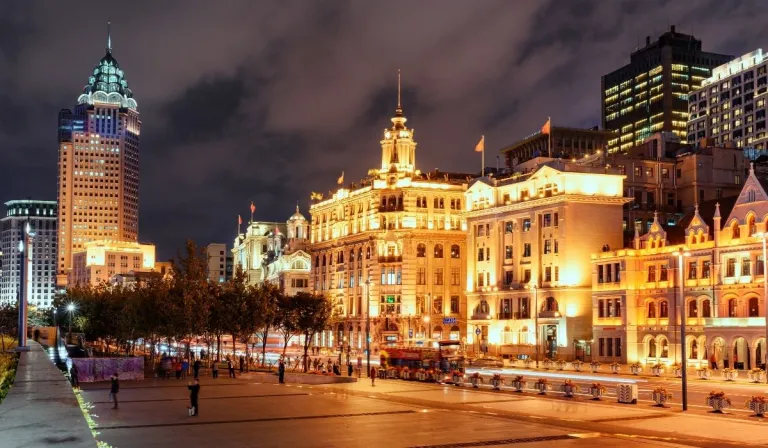
Image Credit: efired
The Bund is Shanghai’s most recognisable waterfront promenade and a natural starting point for any itinerary. Stretching along the Huangpu River, it presents a remarkable collection of early twentieth-century buildings influenced by Gothic, Baroque, Art Deco and Romanesque styles. These structures reflect Shanghai’s cosmopolitan past during its treaty port era.
What makes the Bund truly memorable is the visual contrast. On one side stand stately heritage buildings, while across the river in Lujiazui rise glass and steel skyscrapers that symbolise modern China. Together, they encapsulate Shanghai’s layered identity in a single view.
What travellers enjoy
Visitors consistently highlight the scenery, particularly after dark when both sides of the river are illuminated. The promenade is considered one of the best places in the city for photography, casual strolling and soaking in the atmosphere.
Things to note
The Bund becomes extremely crowded in the evenings and on weekends. Pedestrian traffic may be controlled during peak hours. Early mornings are ideal for a calmer experience and offer the chance to see locals practising Tai Chi. Late afternoons provide good daylight views without the evening rush.
Yu Garden (Yu Yuan)
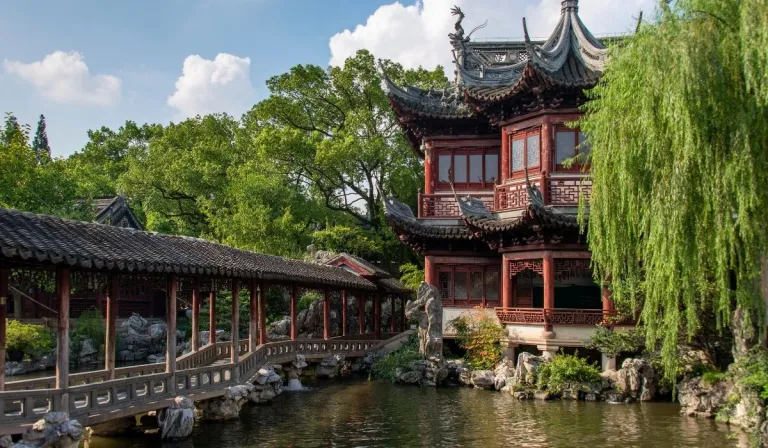
Image Credit: FrankvandenBergh
Yu Garden dates back to the Ming Dynasty and remains one of Shanghai’s finest examples of classical Chinese garden design. Covering approximately five acres, the garden features rockeries, ponds, pavilions and carved dragon walls that create a sense of seclusion despite its central location.
Outside the garden lies the Yu Garden Bazaar, where traditional snacks, crafts and souvenirs add to the historic atmosphere.
Visitors appreciate the intricate design and the peaceful moments found within its winding paths. The Nine Bend Bridge, especially when lanterns are lit in the evening, is a popular highlight. Weekend evenings often include street performances that add to the ambience.
Things to note
Yu Garden is busy most of the time, particularly on weekends and public holidays. Arriving early in the morning offers softer light and fewer crowds. Expect a fair amount of walking on stone paths, so comfortable footwear is essential. As much of the garden is outdoors, weather conditions should be considered.
Jade Buddha Temple
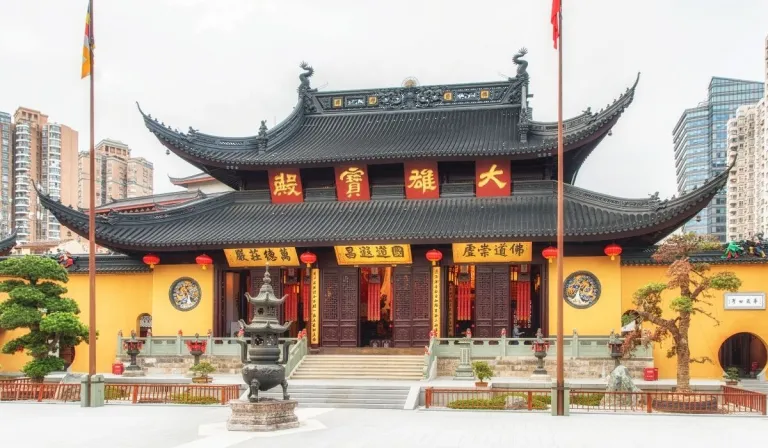
Image Credit: atosan
Founded in 1882, the Jade Buddha Temple provides a welcome sense of calm away from the city’s intensity. Its most treasured features are two jade Buddha statues brought from Myanmar: a standing Buddha and a reclining Buddha, both adorned with gold leaf and jewels.
Many visitors value the temple’s tranquillity and spiritual atmosphere. The architecture, incense-filled halls and active worship practices offer insight into local Buddhist traditions.
Things to note
The temple is busier during religious festivals and holidays. While general entry is free, there is a small fee to visit the Jade Buddha Tower. Visitors should dress modestly and remain respectful, as the temple remains an active place of worship.
Modern Architectural Marvels
Lujiazui Skyscrapers and Observation Decks
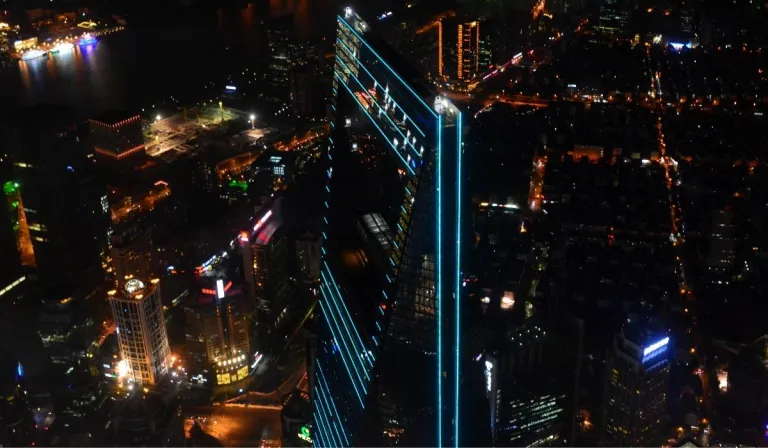
Image Credit: gionnixxx
Lujiazui is the financial heart of Shanghai and home to its most dramatic skyline. The area features the Jin Mao Tower, the Shanghai World Financial Centre and the Shanghai Tower, which stands at 632 metres.
Observation decks provide panoramic views that help visitors grasp the sheer scale of the city.
Sunset visits are especially popular, allowing visitors to witness the city transition from daylight to night. The Jin Mao Tower’s skywalk appeals to those seeking a more adventurous experience.
Things to note
Observation decks can be crowded during peak hours. Visiting earlier in the afternoon or on weekdays offers a more comfortable experience.
Museums and Cultural Institutions
Shanghai Museum
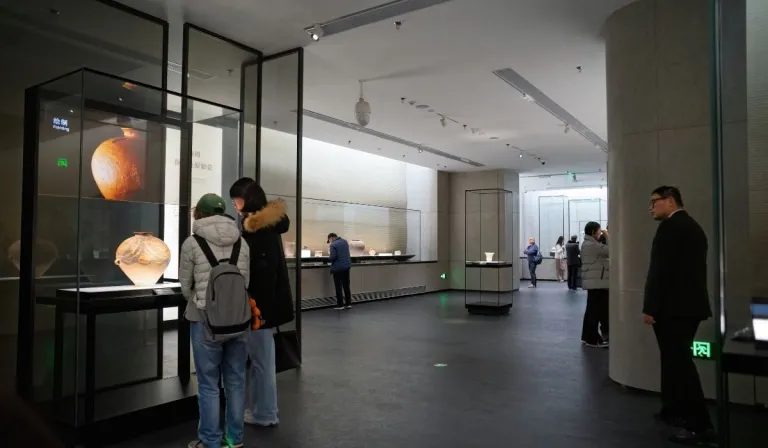
Image Credit: Ellinnur Bakarudin
Shanghai Museum operates two major locations. The original museum at People’s Square is designed to resemble an ancient bronze vessel, while the newer Shanghai Museum East opened in 2024 with a sleek, contemporary design inspired by white jade.
Together, they house thousands of artefacts spanning over 5,000 years of Chinese history. Highlights include Ming and Qing Dynasty furniture galleries and extensive collections of ceramics, calligraphy, jade and bronzes.
Visitors appreciate the depth and clarity of the exhibitions, particularly the reconstructed interiors that illustrate how historical elites lived. The museums provide valuable context for understanding Chinese art and craftsmanship.
Things to note
Complimentary guided tours are available and are worth joining, especially for the furniture galleries. Allow at least two to three hours for a meaningful visit, or focus on specific sections if time is limited.
Shanghai City History Development Museum

Located beneath the Oriental Pearl Tower, this museum uses models, immersive scenes and lifelike wax figures to trace Shanghai’s transformation from a fishing village into a global metropolis.
The visual storytelling makes the museum engaging and accessible, particularly for those who prefer interactive displays over traditional text-heavy exhibitions.
Things to note
The theatrical presentation makes this museum especially suitable for families and first-time visitors seeking an overview of the city’s past.
Neighbourhoods and Shopping Districts
Tianzifang
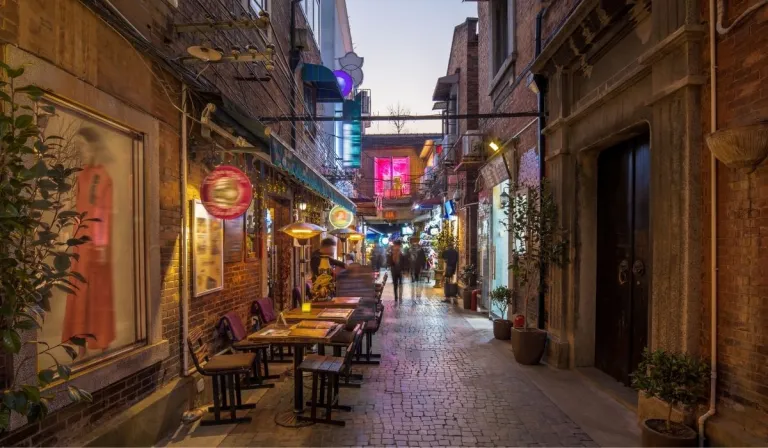
Image Credit: Cyoginan
Tianzifang is a network of narrow alleyways within the Former French Concession, built around traditional shikumen houses. It hosts small boutiques, art studios, cafés and craft shops, many of which are independently run.
Visitors like the relaxed, creative atmosphere and the feeling of exploring a lived-in neighbourhood rather than a curated attraction. It is ideal for unhurried wandering and discovering small local businesses.
Things to note
The area can still become crowded on weekends. Comfortable shoes are recommended, and visitors should remain mindful that residents continue to live in these alleys.
Xintiandi
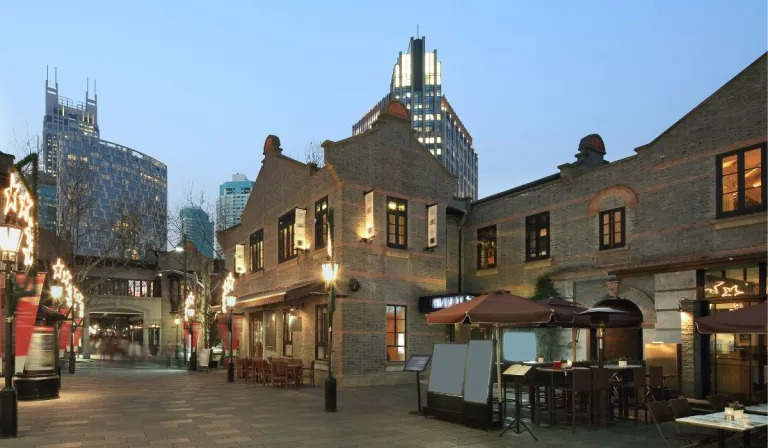
Image Credit: Cyoginan
Xintiandi offers a more polished take on shikumen redevelopment. Historic buildings have been restored and repurposed into restaurants, bars and upscale retail outlets.
Those seeking refined dining and stylish surroundings appreciate Xintiandi’s clean layout and high-quality venues. It is particularly popular in the evenings.
Things to note
Prices are noticeably higher than in neighbouring districts, and some travellers find the area less representative of everyday Shanghai life.
Former French Concession
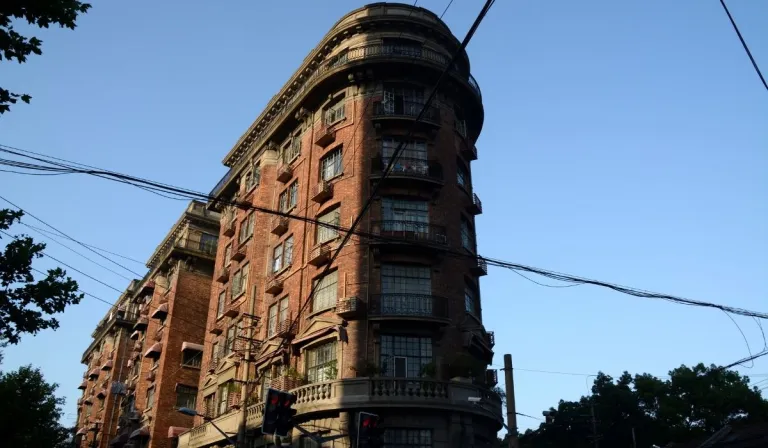
Image Credit: gionnixxx
Beyond Tianzifang and Xintiandi lies the wider Former French Concession, characterised by plane tree-lined streets, historic residences and a strong café culture. It is one of the best areas in Shanghai for walking.
Visitors enjoy the slower pace, architectural variety and sense of local life. Hidden cafés and independent shops reward those who explore beyond main roads.
Things to note
The district is large, and attempting to cover it entirely on foot can be tiring. Planning a partial route or combining walking with short taxi rides works best. Weekdays are quieter and more enjoyable.
Culinary Experiences
Xiao Long Bao
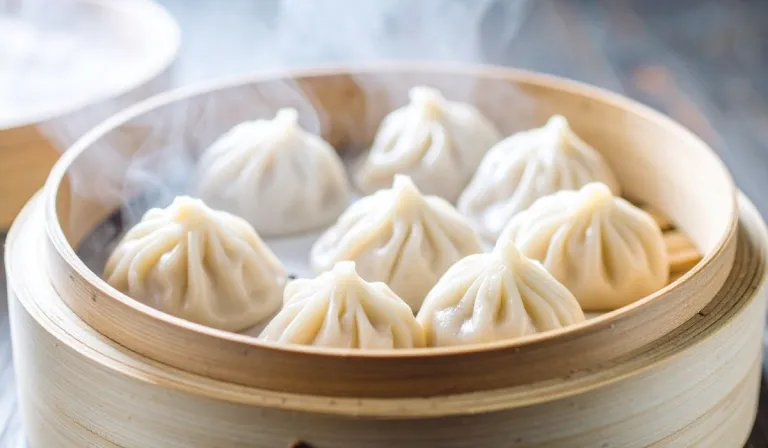
Xiao Long Bao, or soup dumplings, are synonymous with Shanghai cuisine. These delicate dumplings are filled with pork and rich broth, encased in thin, pleated wrappers.
The balance of texture and flavour, along with the ritual of carefully eating the dumplings, makes this a memorable experience. Ginger vinegar is traditionally used to cut through the richness.
Things to note
Dumplings are served extremely hot and should be eaten with care. High-quality establishments prepare them fresh, which may involve waiting. Popular venues attract queues, particularly at meal times.
Shanghai Cuisine and Dining
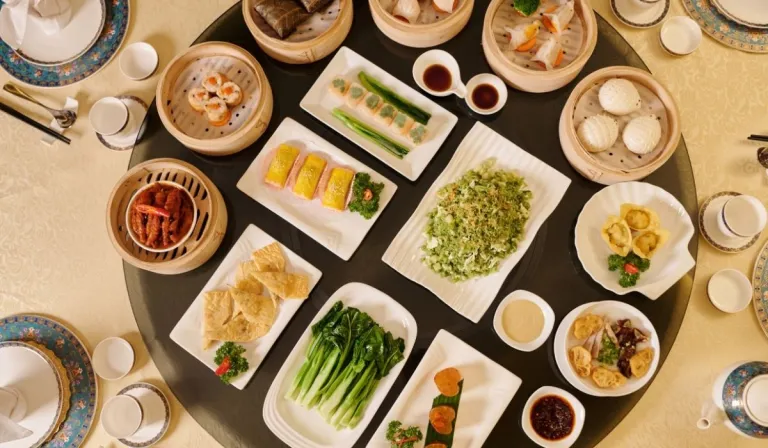
Image Credit: DragonImages
Shanghai cuisine is known for subtle sweetness, fresh ingredients and careful presentation. Signature dishes include scallion oil noodles, braised pork belly, roasted duck and lightly seasoned seafood.
What travellers enjoy
Visitors often praise restaurants that combine traditional flavours with refined execution. Attentive service and clear digital menus make dining more accessible for non-Mandarin speakers.
Things to note
Some upscale restaurants price seafood per person rather than per dish, so checking menus in advance is wise. Street food areas such as Huanghe Road offer more affordable alternatives without sacrificing authenticity.
Unique Experiences and Day Trips
Huangpu River Cruise
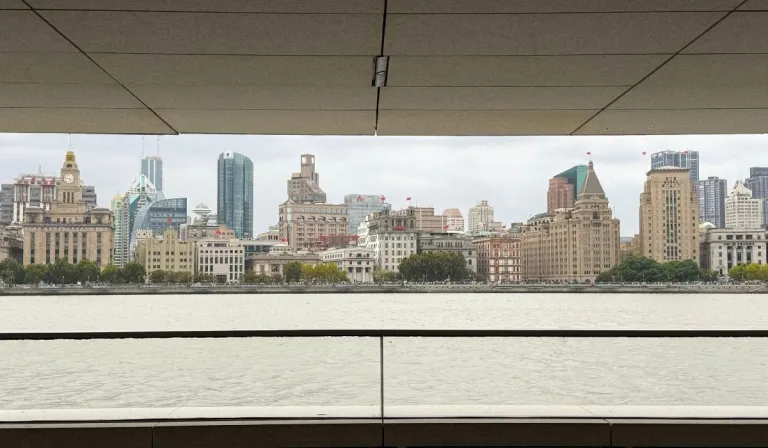
Image Credit: AlinaN
An evening river cruise offers sweeping views of both the Bund and Lujiazui, highlighting Shanghai’s architectural contrasts.
What travellers enjoy
The illuminated skyline seen from the water provides a memorable perspective, particularly after sunset.
Things to note
Evening cruises are the most popular and can sell out during busy seasons.
Shanghai Disneyland

Shanghai Disneyland is spacious and well-designed, with exclusive attractions such as TRON Lightcycle Power Run.
Families appreciate the wide walkways and efficient crowd management, which make the park feel less overwhelming than other Disney resorts.
Things to note
Arriving early and using the official app to monitor queue times helps maximise the visit.
Zhujiajiao Water Town
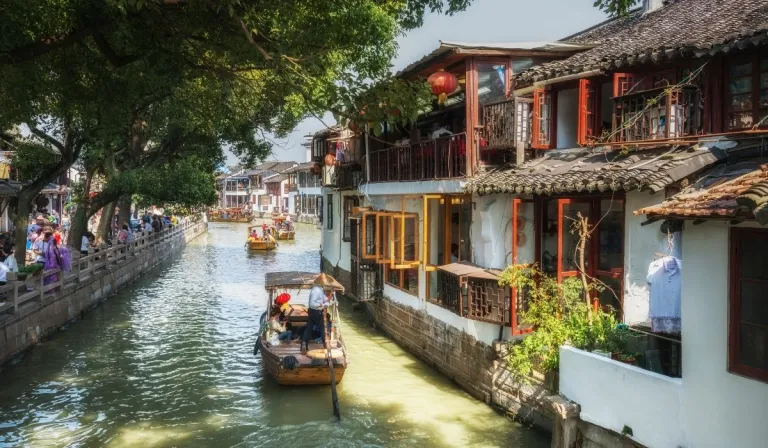
Image Credit: Sergdid
Zhujiajiao is an ancient canal town located about an hour from central Shanghai. Stone bridges, narrow lanes and waterside teahouses offer a glimpse of traditional life.
The slower pace and historic setting provide a refreshing contrast to the city’s modern energy.
Things to note
Weekends are busy with tour groups. Visiting on a weekday or early in the morning allows for a more peaceful experience.
Shanghai is a city that rewards balance. By mixing iconic sights with neighbourhood exploration and local food, visitors gain a deeper appreciation of its complexity and character.
Published on
About Author
RECOMMENDED READS
让你意想不到的Sungai Buloh!双溪毛糯半日游记 最简朴到最豪华!马来西亚10个露营地点推荐 露营,不管是原始版还是豪华版,都能让你在与大自然零距离接触的同时,彻底放松身心灵。这个周末就约上三五好友露营去吧!
10 Best Instagram Spots in Macao Malaysians Must Check-Off Macao, where your ‘gram dreams really do come true.
10个适合穷学生便宜又好吃的悉尼餐厅 住宿费高,交通费高,伙食费也高。生活在悉尼的学生们,即使一个星期打工20个小时,也最多只能补贴一半的生活费。想吃一顿好吃的却又担心钱包越来越薄,只好每天往Maccas(麦当劳)跑。是不是说中了你的心声呢?别担心,今天就让小编为你提供10个经济实惠的餐厅,从今以后让你和Maccas说拜拜!
探索 斯洛文尼亚 :感受世界上唯一以爱命名的国家 无论你是喜欢感受当地文化,还是探索大自然的奥妙,处处风景如画的斯洛文尼亚都能满足你的愿望。在斯洛文尼亚,无论何时何地都能让你拥有精彩丰富的旅游体验,只要用心感受,你一定能这趟旅行中探索属于你的斯洛文尼亚特色。
RECENT ARTICLES
8个理由告诉你:秋冬季节到瑞士旅行,为什么值得玩得更久? 从巧克力、芝士到滑雪山坡,让你的瑞士旅行体验更上一层楼。
Mandarin Oriental Desaru Coast: Inside Johor’s Luxury Rainforest Resort Welcoming Johor's latest luxury retreat: Mandarin Oriental, Desaru Coast.
Super Nintendo World Singapore Is Coming: What Malaysian Need to Know Good news, Mario fans ~
布城半日游怎么玩?从粉红清真寺到水上Taxi 7个打卡景点,这份游路线值得收藏! 从梦幻的粉红穹顶、充满异域美感的摩洛哥风情!
What Makes China eSIM Ideal for Uninterrupted Internet Connectivity Here's why travelling in China is better with an eSIM